Menu

COMPLY WITH THE NEW EU METHANE REGULATION
WITH OUR COMPREHENSIVE SOLUTIONS

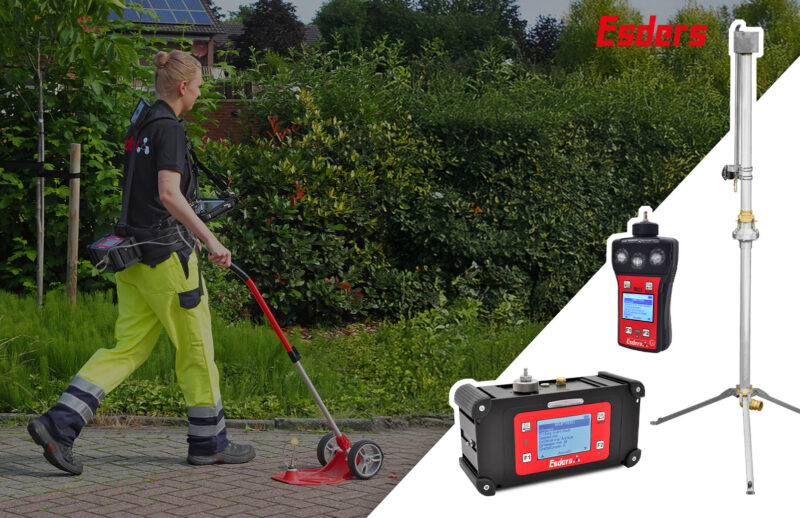
We offer a wide range of advanced technologies to help you meet the challenges of the current EU Methane Regulations and ensure that you operate efficiently and fulfil all requirements.

What to do next? Important dates for EU Methane Regulation

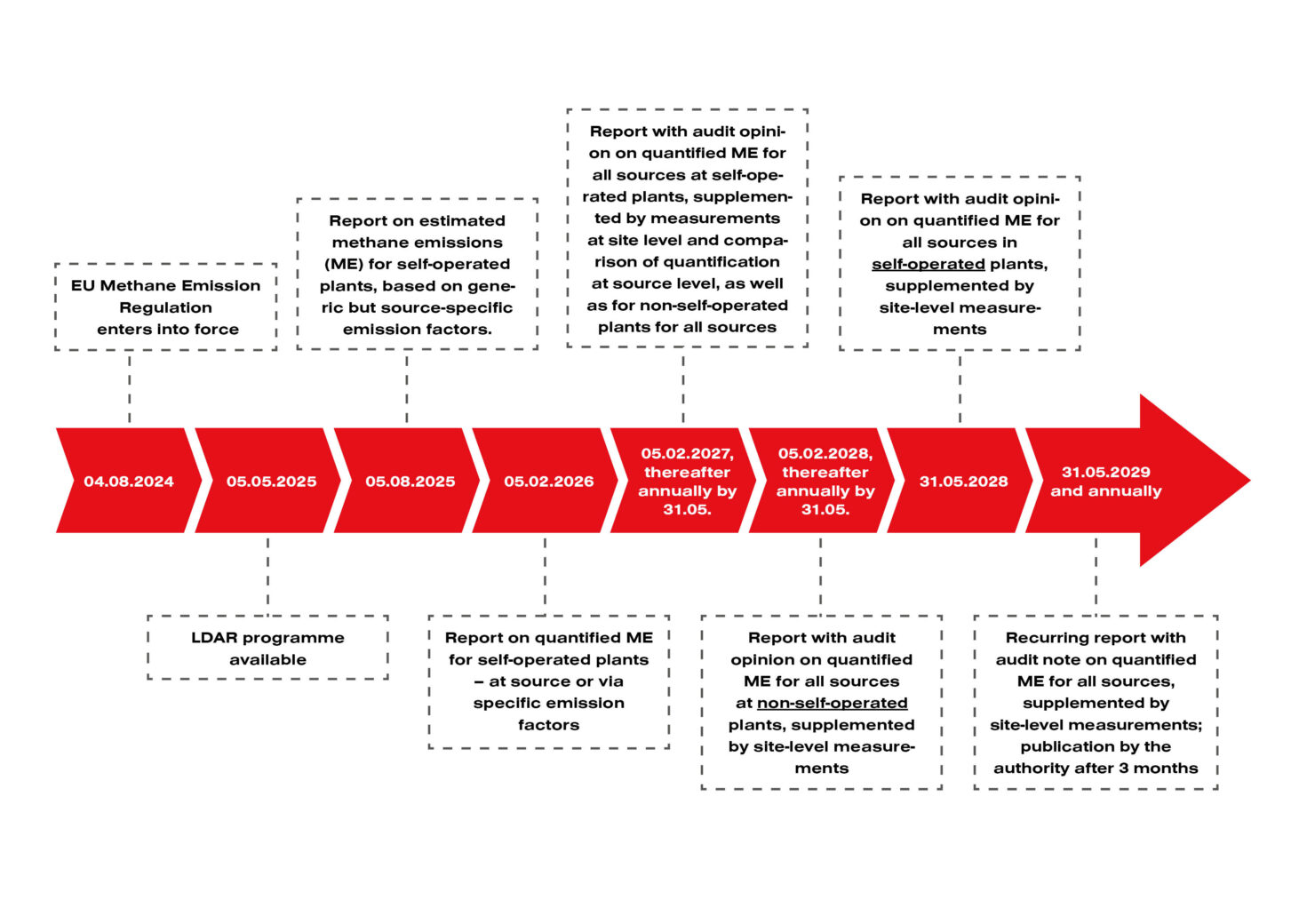
Infographic EU Methane Regulation implementation deadlines

As can be seen in the illustration, the European Union has defined key data for regulating methane emissions:

✅ 5 May 2025: Deadline for submission of a leak detection and repair programme.

✅ 5 August 2025 : Deadline for the submission of a report on the quantification of methane emissions.

These steps are crucial for the further development of compliance with EU environmental legislation.

Sanctions and compliance with regulations

With Regulation (EU) 2024/1787, the European Union has created a framework to ensure the reduction of methane emissions in the energy sector. This framework includes regular inspections and penalties for companies that do not comply with the regulations. The fines can be quite high and show how seriously the EU is taking the fight against climate change and the protection of public health.

LEAK DETECTION

Gas leak detection in outdoor installations

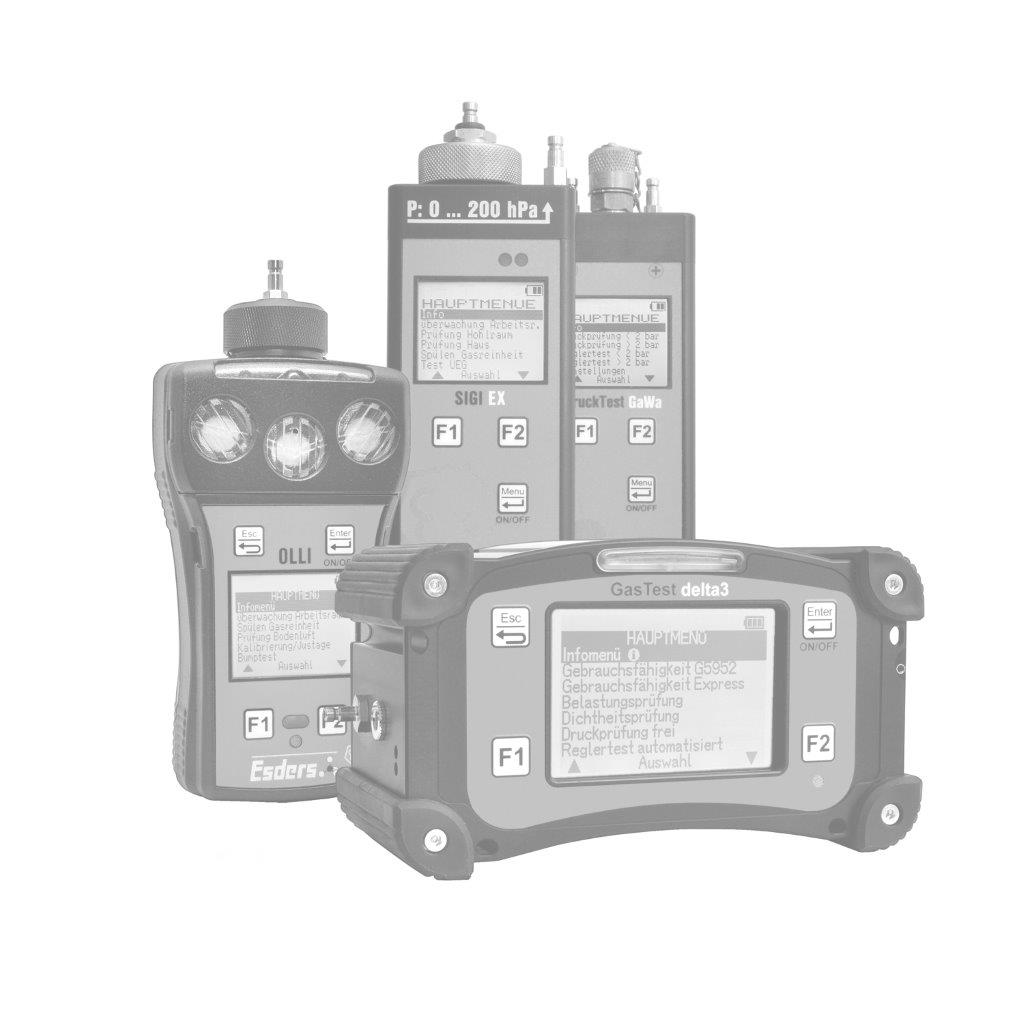
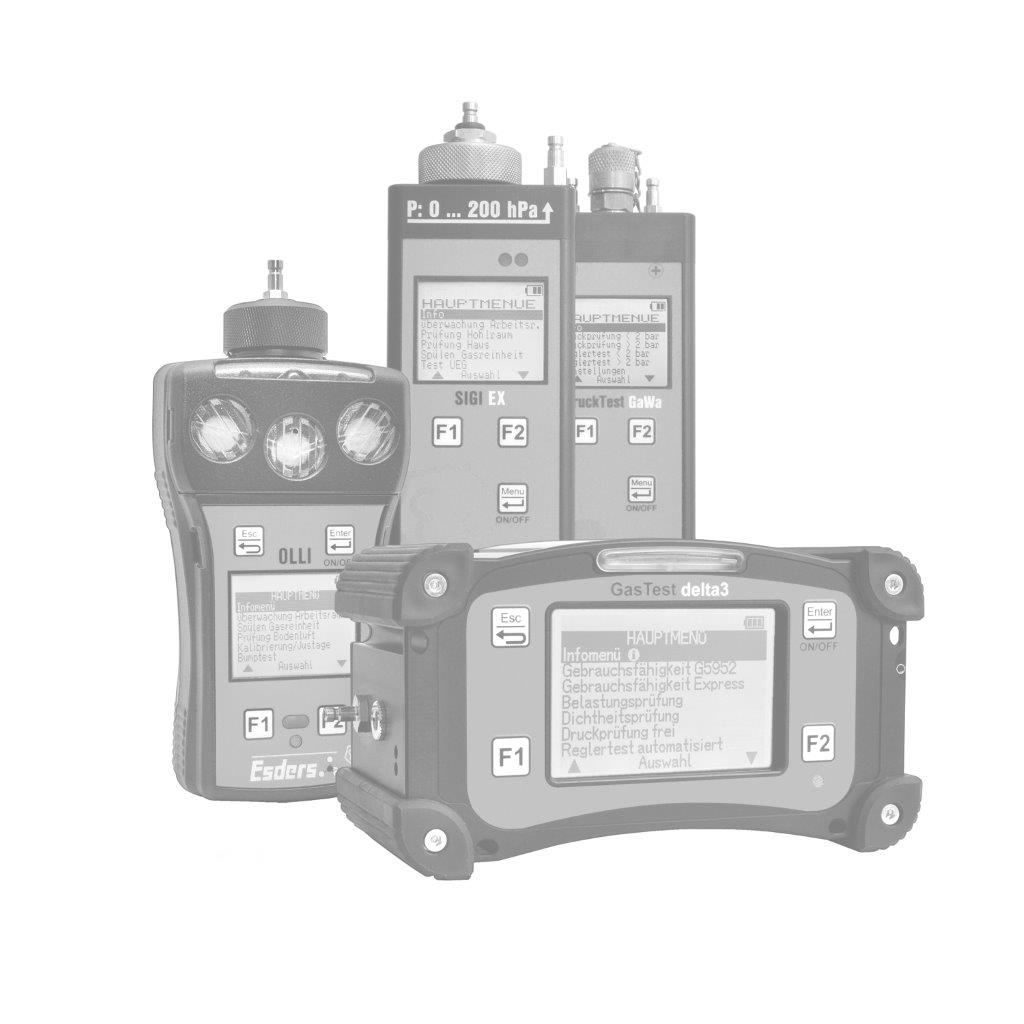
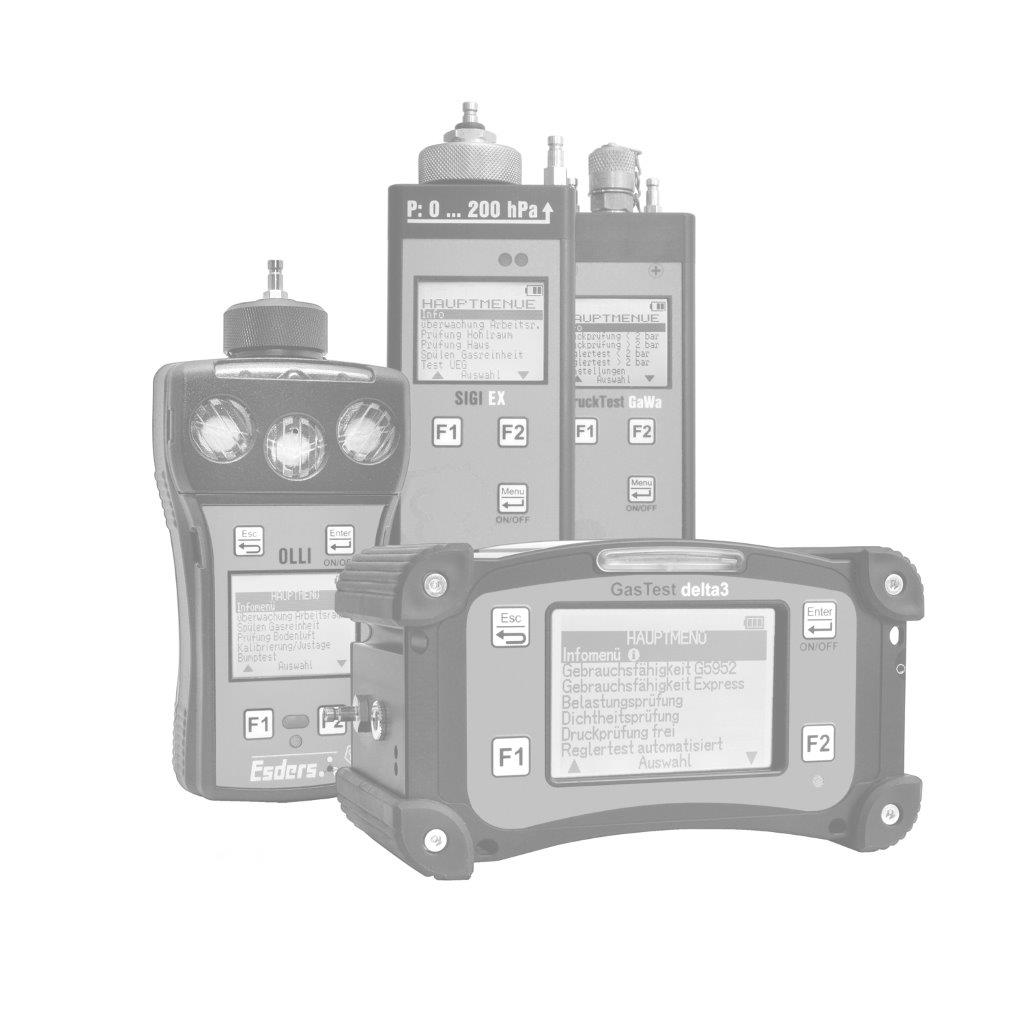
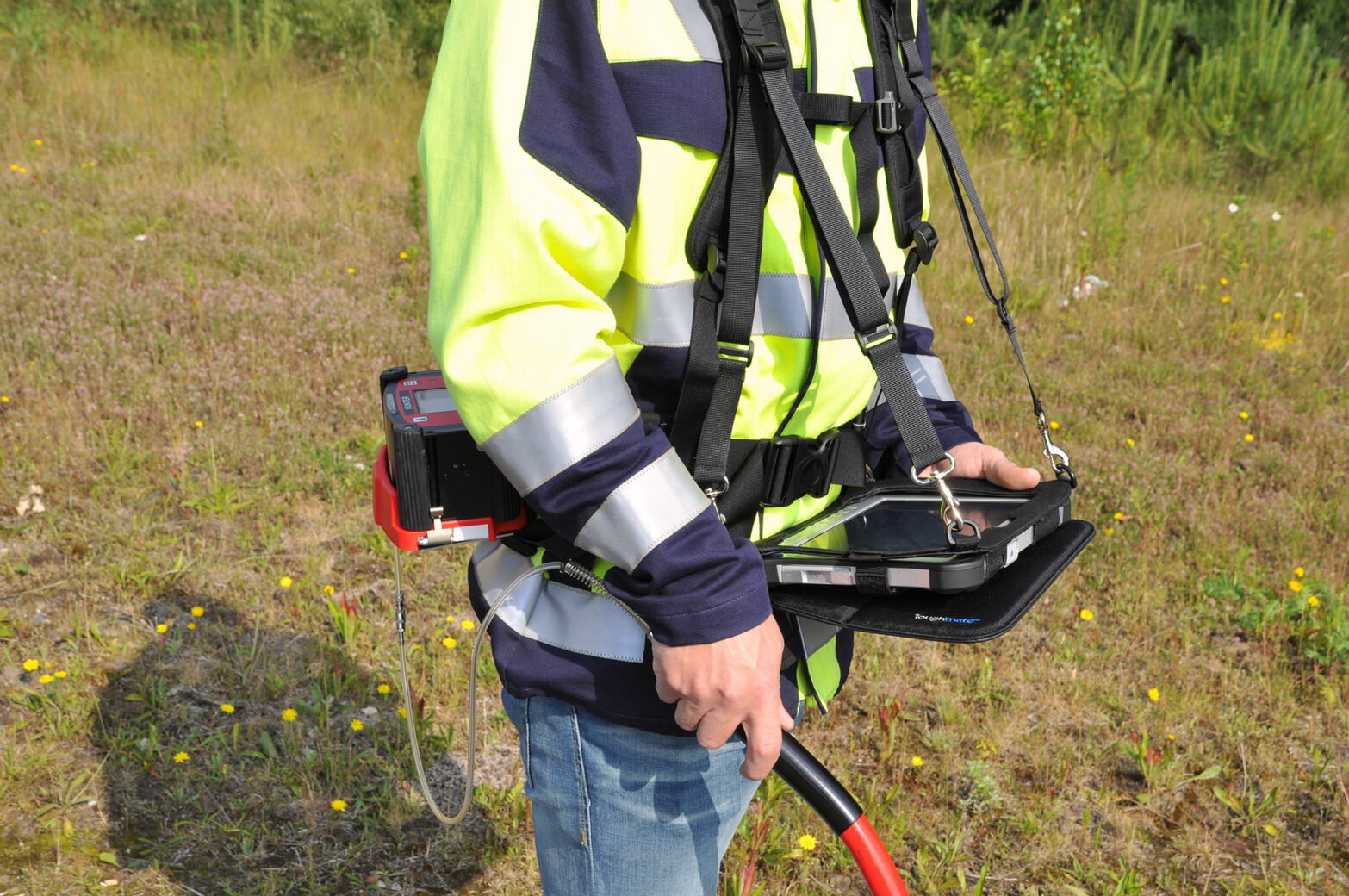
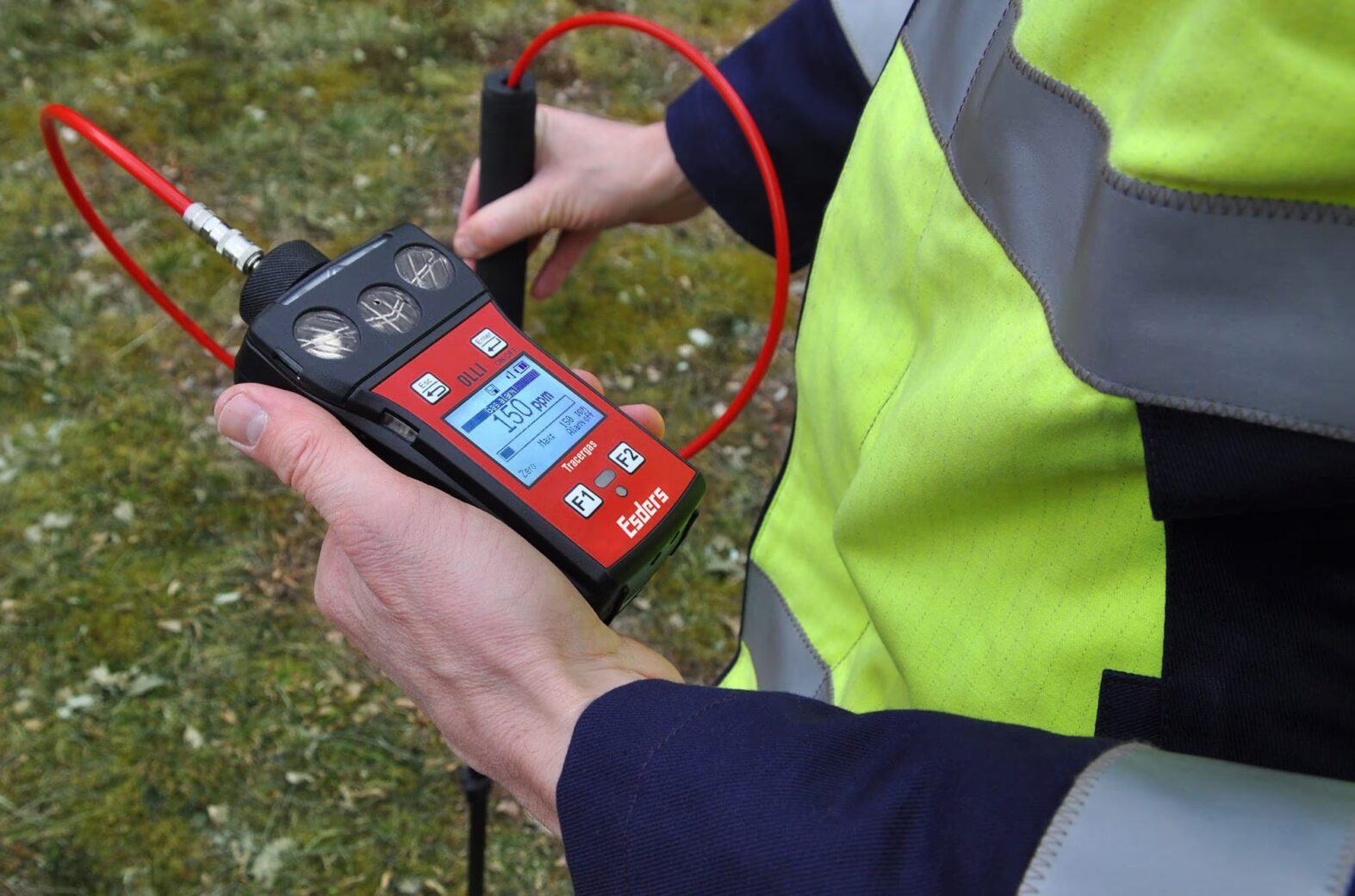
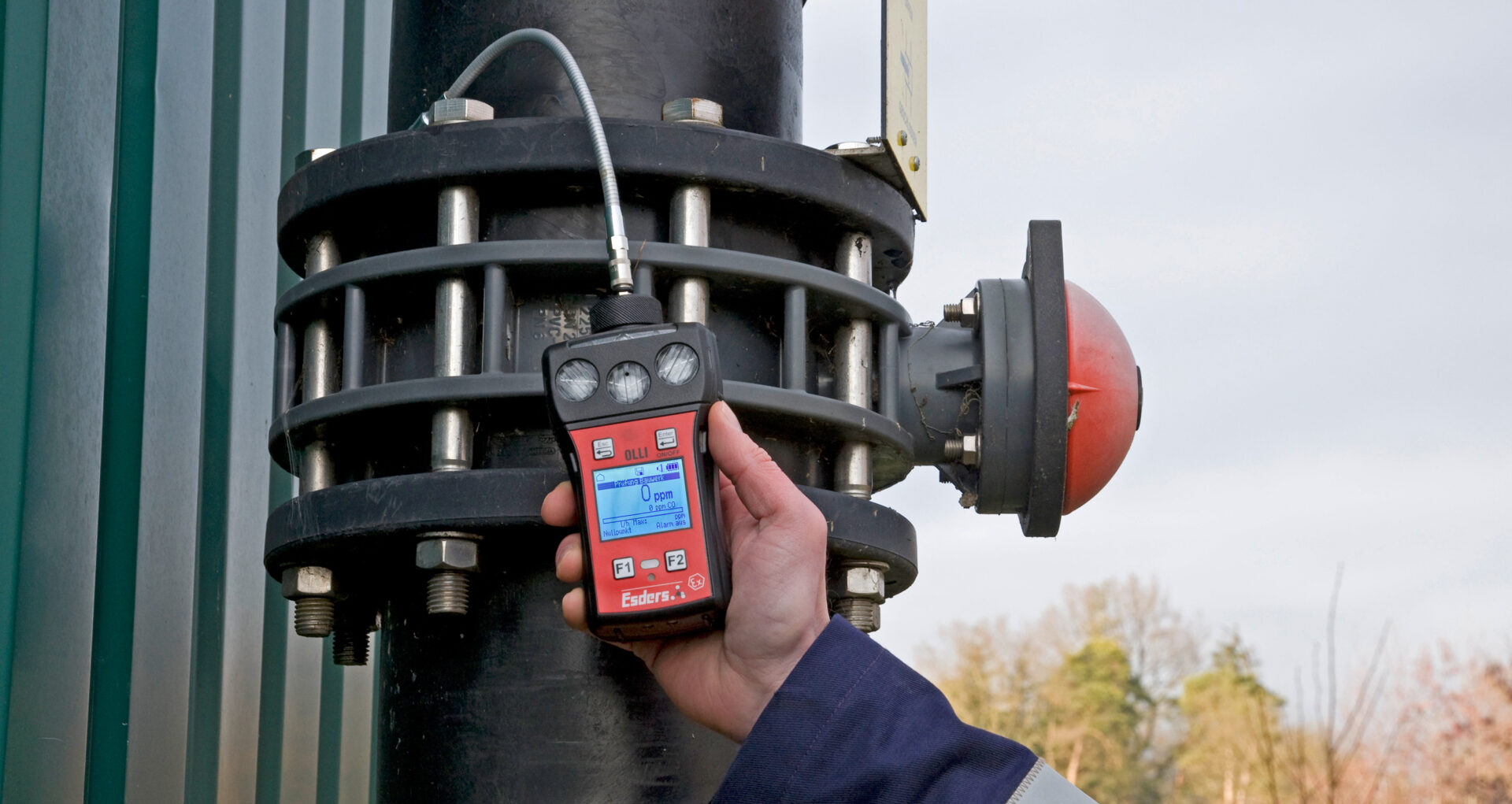
The OLLI multi-gas detector is ideal for implementing leak detection and repair programmes (LDAR) on exposed pipelines and systems. Our OLLI is explosion-proof (ATEX) and is used to detect and measure flammable, toxic and oxygen-containing gases. The OLLI can therefore make an important contribution to ensuring safety and compliance with environmental regulations.

OLLI Biogas
Laser HUNTER Glockensonde nah Display

Leak detection in underground gas pipelines

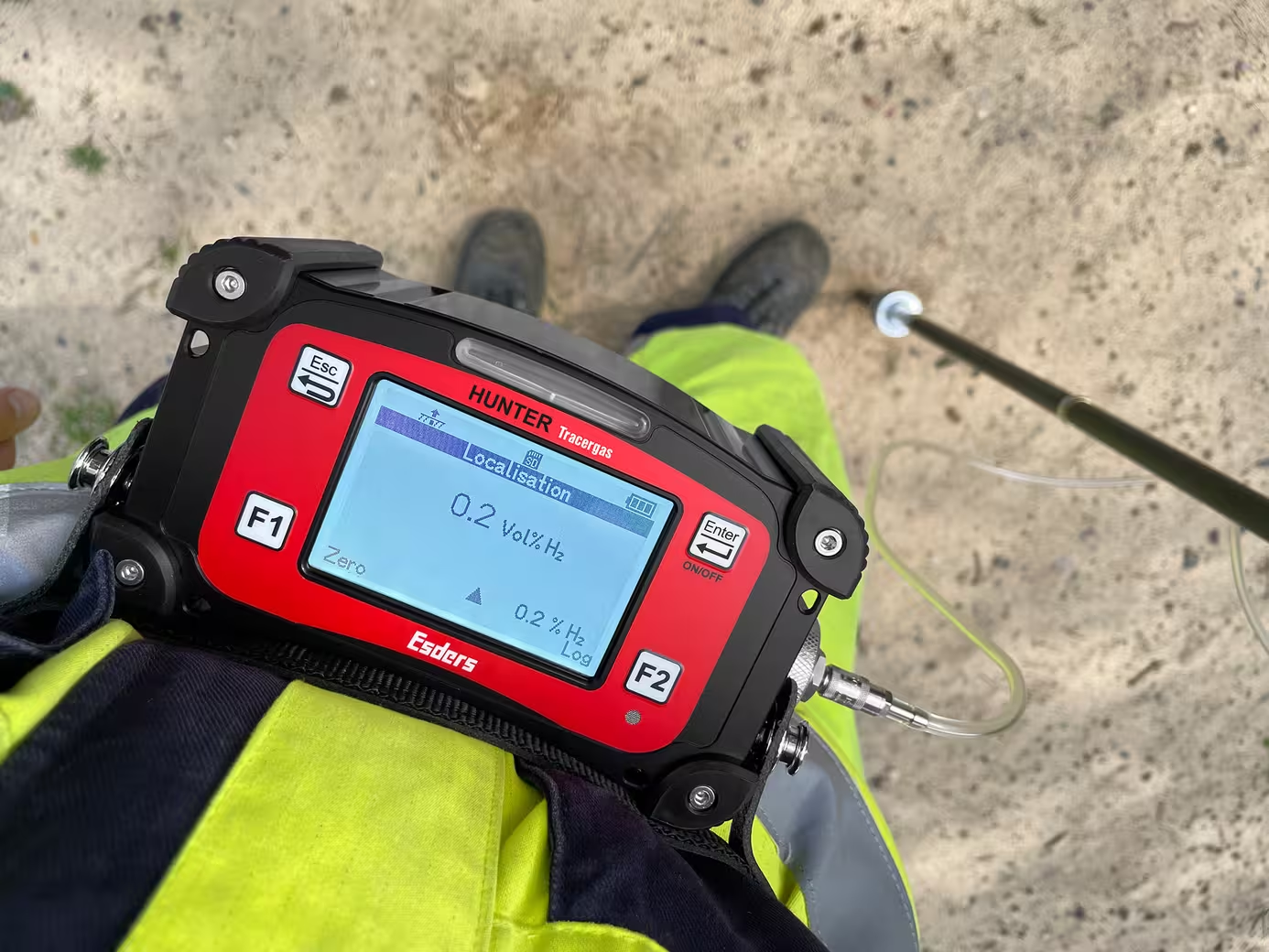
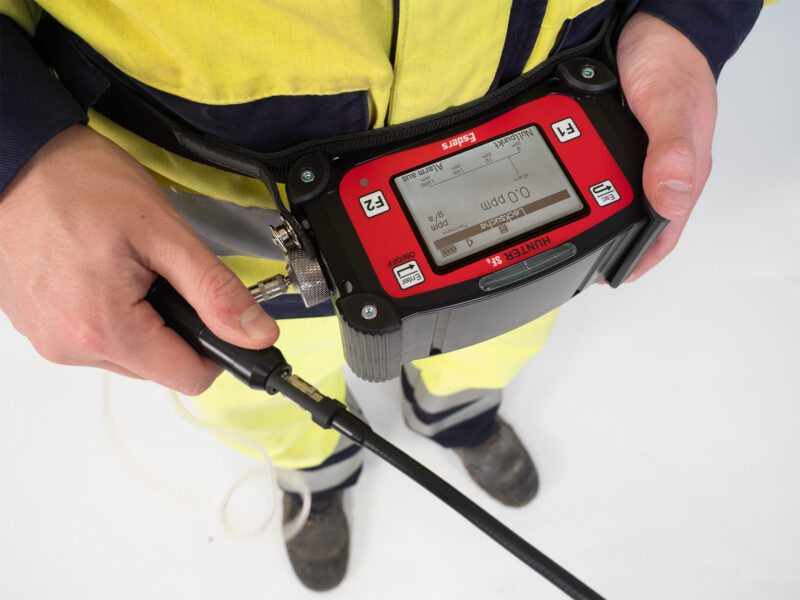
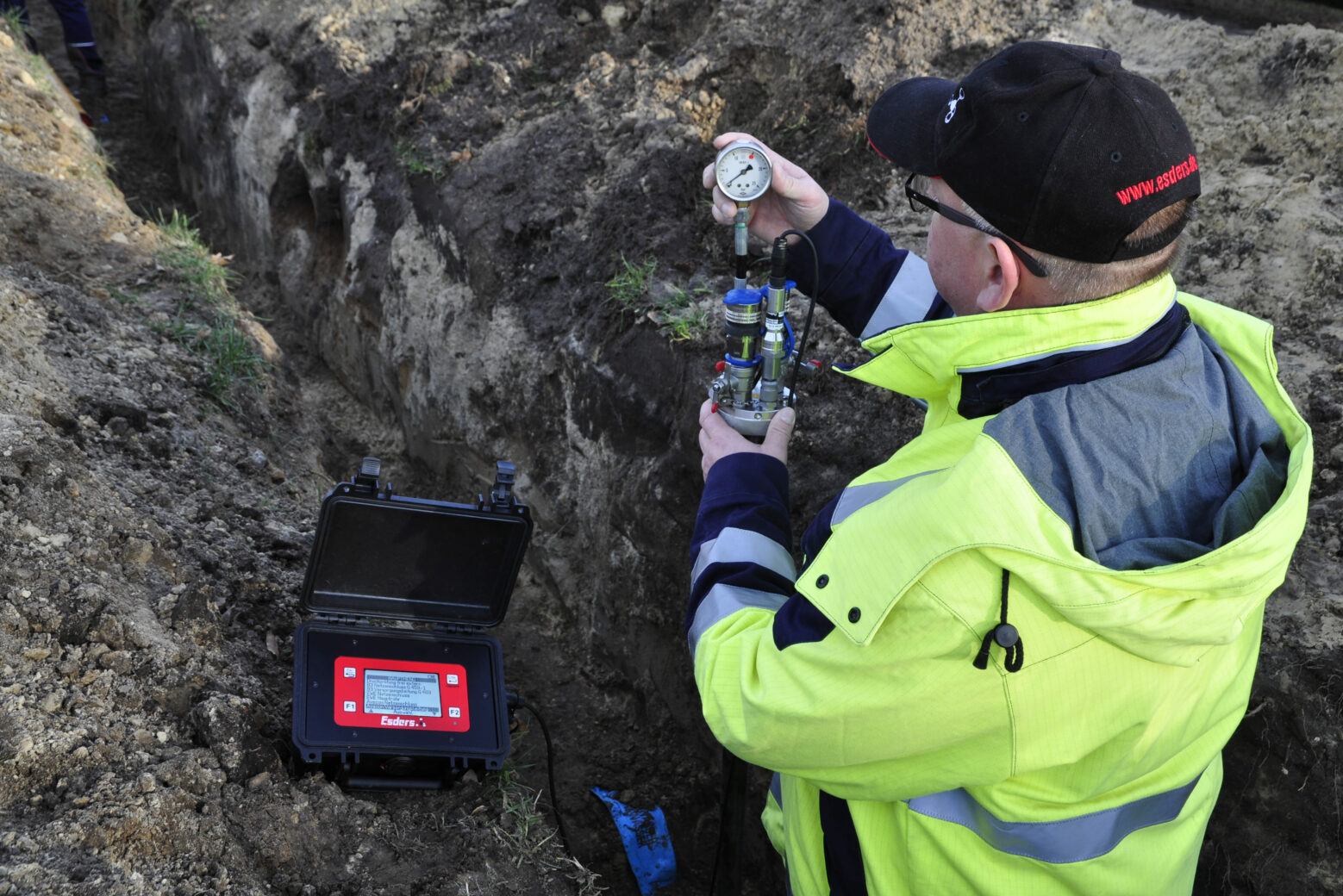
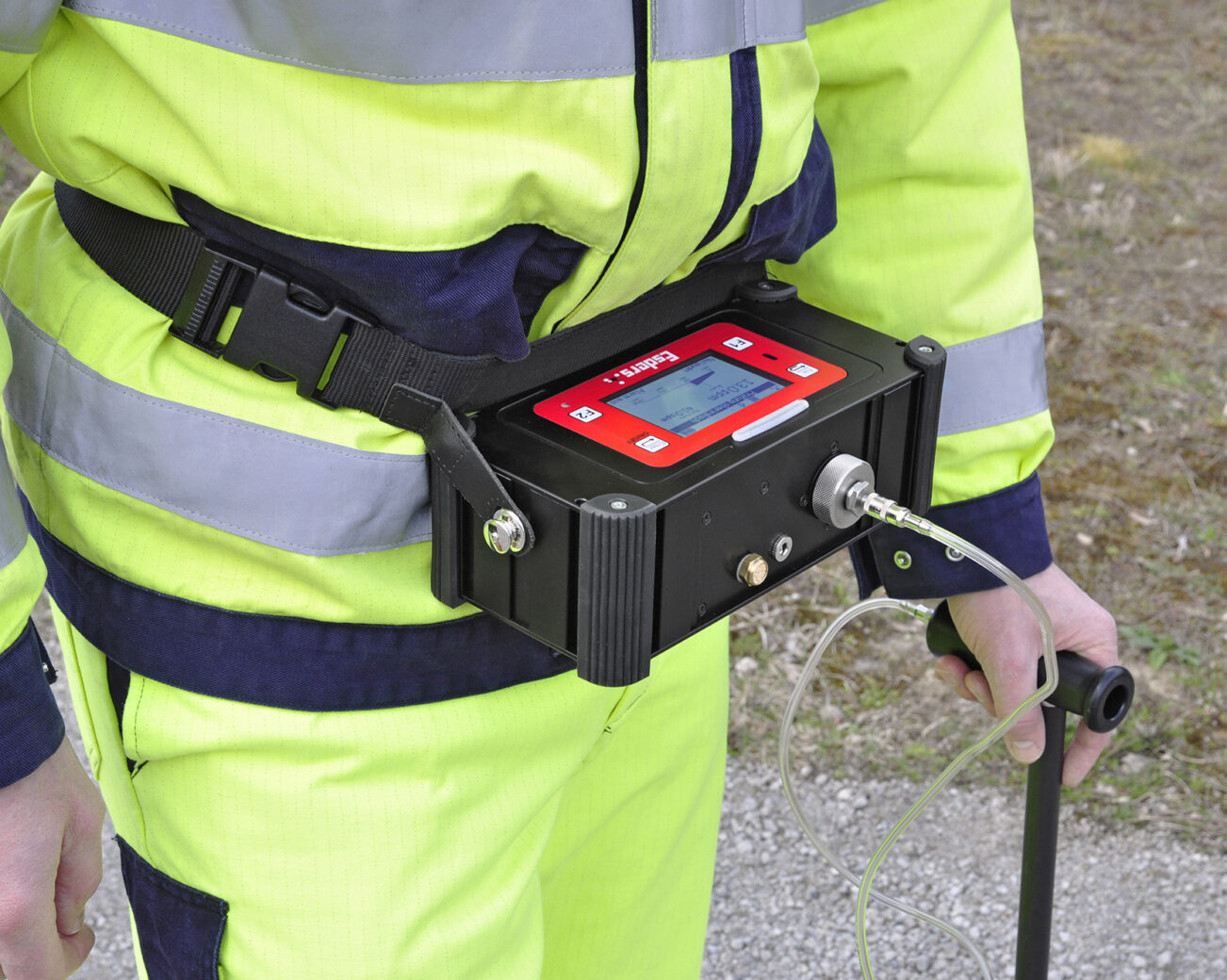
Laser HUNTER is presented as an advanced gas leak detection solution utilising the latest laser technology. Equipped with one laser for methane (CH4) or two lasers for methane and ethane (CH4 and C2H6).

Good to know

We keep you up to date with the latest regulations through our topic-specific blogs – clearly presented and explained.

Remote Control Option für eine effizientere Gaslecksuche
Blog

Digitalisation in gas pipeline inspection

The EU regulation on reducing methane emissions in the energy sector, which recently came into force, has now added even stricter requirements. The aim is to protect the environment from the climate-damaging methane emissions that escape from leaking gas pipelines.
Read More »
Anschlussskizze Mobile Gasfackel M und OLLI Geschwindigkeitsmessung
Blog

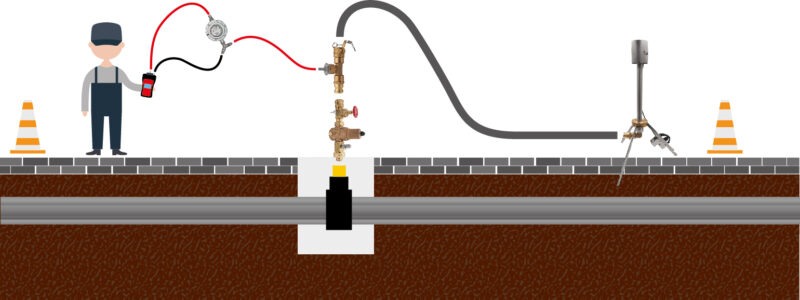
Measuring the flow velocity when purging gas pipelines

Table of Contents Purging gas pipelines is a regular process as part of repair work as well as commissioning and decommissioning. This involves either letting gas into a new or repaired pipeline or removing it from a pipeline that is already in operation. The latter is often referred to as inertisation, as the pipe is usually purging with an inert gas to displace the fuel gas. Inert gases are gases with a very slow (chemical) reactivity. The formation of an

Read More »
E-Scooter Nutzung auf dem Gehweg
Blog

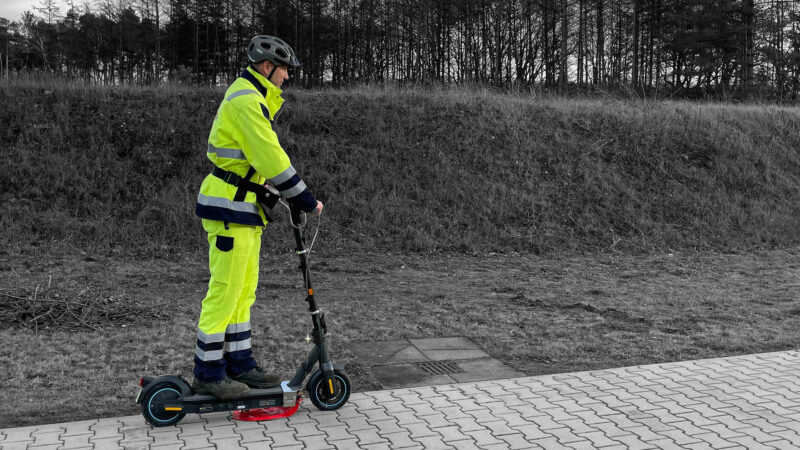
E-scooter use on sidewalks during gas leak detection

Table of Contents Recently, we have been receiving more frequent inquiries from German customers about the use of e-scooters on sidewalks during gas leak detection. We have conducted intensive research on this and spoken with two road traffic authorities from two different German federal states. So that the information is also available to you at all times, here are our findings. Regulations and laws governing the use of electric scooters on the sidewalks In Germany, e-scooters fall under the Small

Read More »

QUANTIFICATION

Quantification of methane emissions in the gas pipeline network

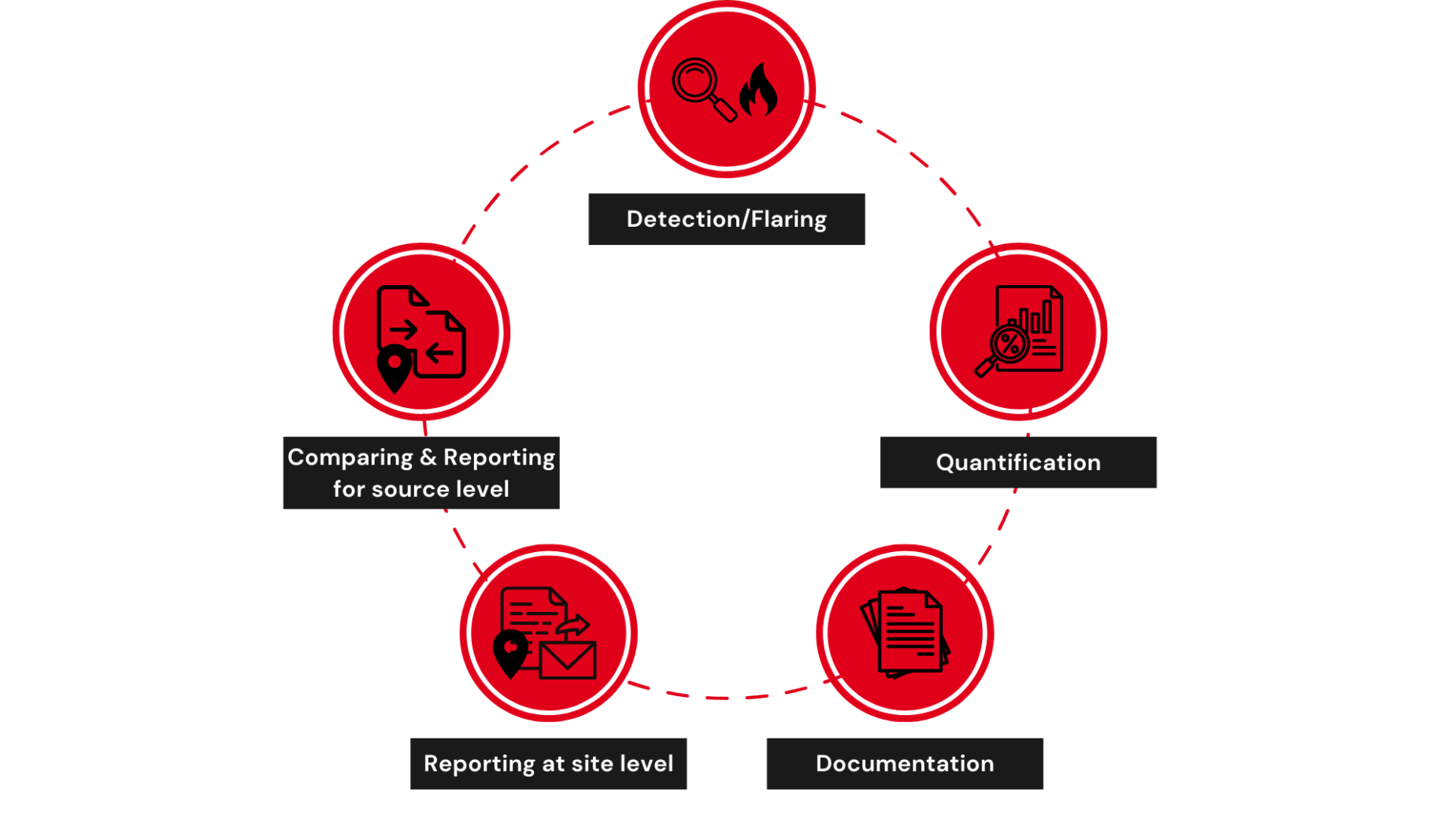
The EU Methane Regulation (Regulation (EU) 2024/1787) requires operators in the energy sector to systematically monitor, reduce and regularly report methane emissions. A key component of this is leak detection and repair (LDAR) programmes.

The DVGW regulations provide recognised technical rules for this purpose, which translate the European requirements into practical procedures. In this context, DVGW G 465-5 describes the procedure for determining methane emissions from gas pipes in the gas distribution network up to 16 bar. This encompasses the detection, quantification and identification of emitting components as a basis for subsequent repair measures.

The metrological quantification of the emission rates is described in the DVGW G 425 series of guidelines. Whilst G 425-1 defines fundamental principles, the other parts contain specific procedures. For underground installations, for example, G 425-2 applies, whilst DVGW G 425-3 describes in detail the bagging method for above-ground installations at source level.

DVGW G 425-1 describes further methods for quantification at site and/or source level, such as vehicle-based quantification. However, the suitability of these methods has not yet been proven or is subject to restrictions.

Good to know

Our blogs keep you up to date on the latest regulations in specific areas, presented in a concise summary and explained in an easy-to-understand way.

FLARING

Flaring off residual gases and reducing methane emissions

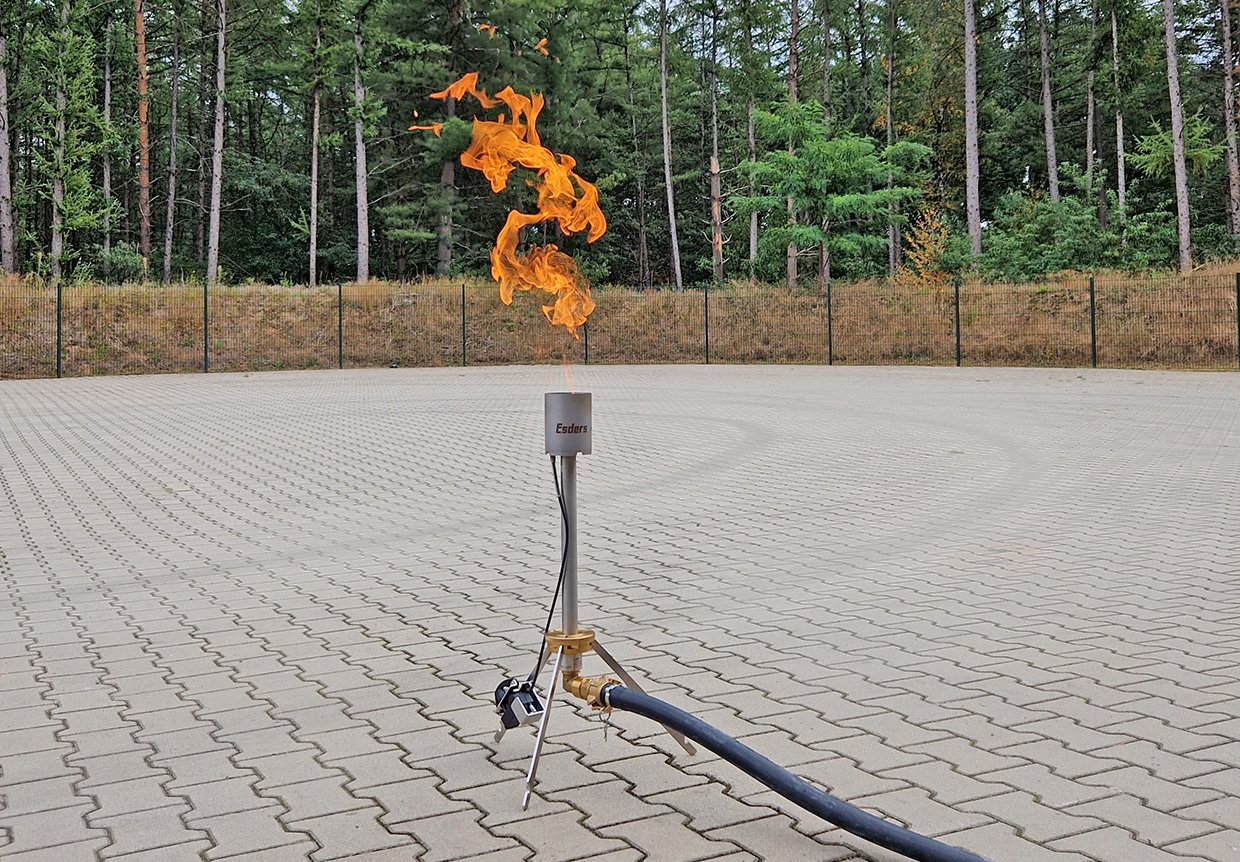
Our Mobile Gas Flares are a cost-effective solution for burning residual gases from various sources. Over the past 33 years, the German gas industry has already reduced methane emissions by up to 40%. The aim now is to reduce emissions by a further 15 per cent by 2030 in order to pave the way for climate neutrality by 2050. In recent years, we have successfully retrofitted and replaced large emission generators and leak-prone units.

Mobile Gas Flare

Our Mobile Gas Flare in three versions

The Mobile Gas Flare S was specially developed for house connections and mains connections. It is extremely compact and ready for use in just a few minutes.

The Mobile Gas Flare M has a throughput approximately four times greater than the Mobile Gas Flare S and is used to flare gas in the low and medium pressure network in the area of the distribution lines. It is also compact and quickly ready for use.

The Mobile Gas Flare L has a significantly increased throughput and is intended for the medium and high-pressure network. Due to its height of approximately 2.5 metres, it consists of two parts that can be assembled in just a few minutes without any additional tools.

DBI-Pruefzeichen_gruen

Our mobile gas flares, available in sizes S, M and L, are certified by the DBI and thus guarantee a separation efficiency of 99%, ensuring compliance with the EU Methane Regulation.

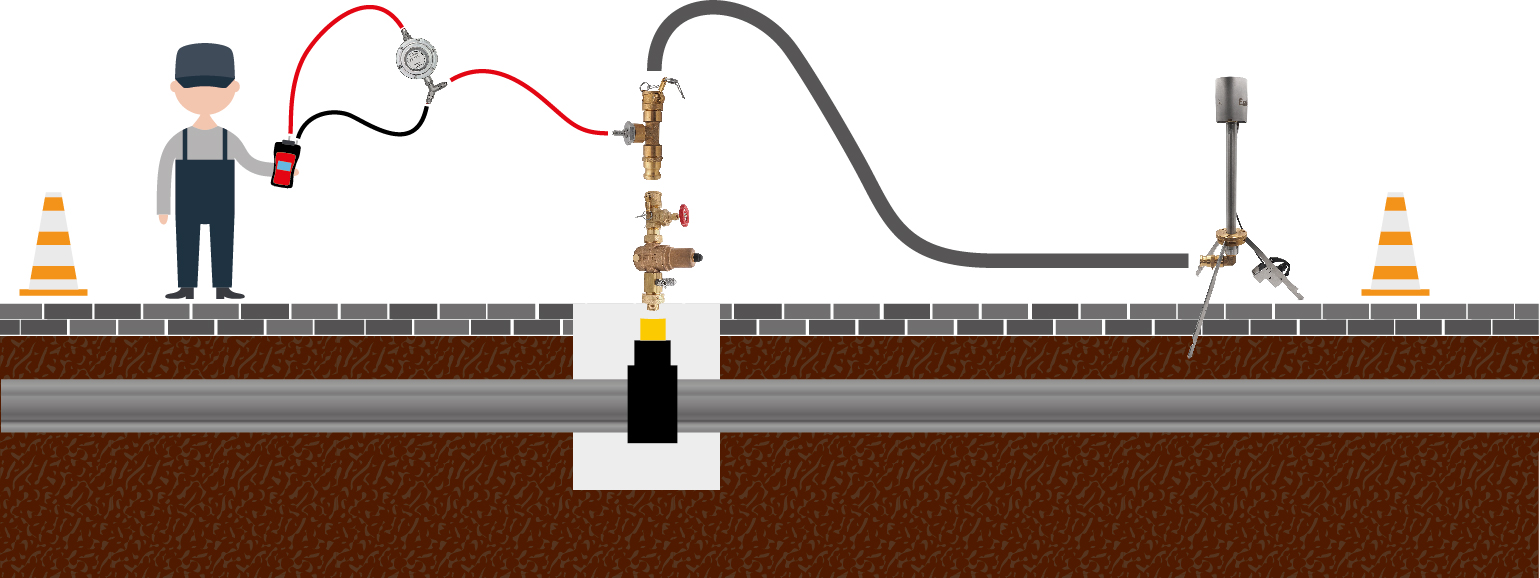
The new EU Methane Regulation emphasises the importance of sustainability and transparency. One of the most important provisions is the obligation to report the amount of methane flared – an essential step towards reducing emissions and protecting our environment. Our Mobile Gas Flares, combined with the advanced gas flow measurement technology of the OLLI, simplify this process. Thanks to its precise flow measurement, it enables efficient and accurate reporting of the amount of gas flared, ensuring seamless regulatory compliance.

Anschlussskizze Mobile Gasfackel M und OLLI Geschwindigkeitsmessung

Have you gathered information and now need tips as a guide?

We have summarised the most important tips for network operators in a blog.

Download

Would you like to find out more about our products? Then take a look at this information: Gas test stand pipe and Mobile Gas Flare L in comparison

Do you have questions about compliance with the EU Methane Regulation in terms of flaring and documentation? We have compiled for you in one document answers to frequently asked questions and the most important information about the use of a gas stand pipe compared to a Mobile Gas Flare L.

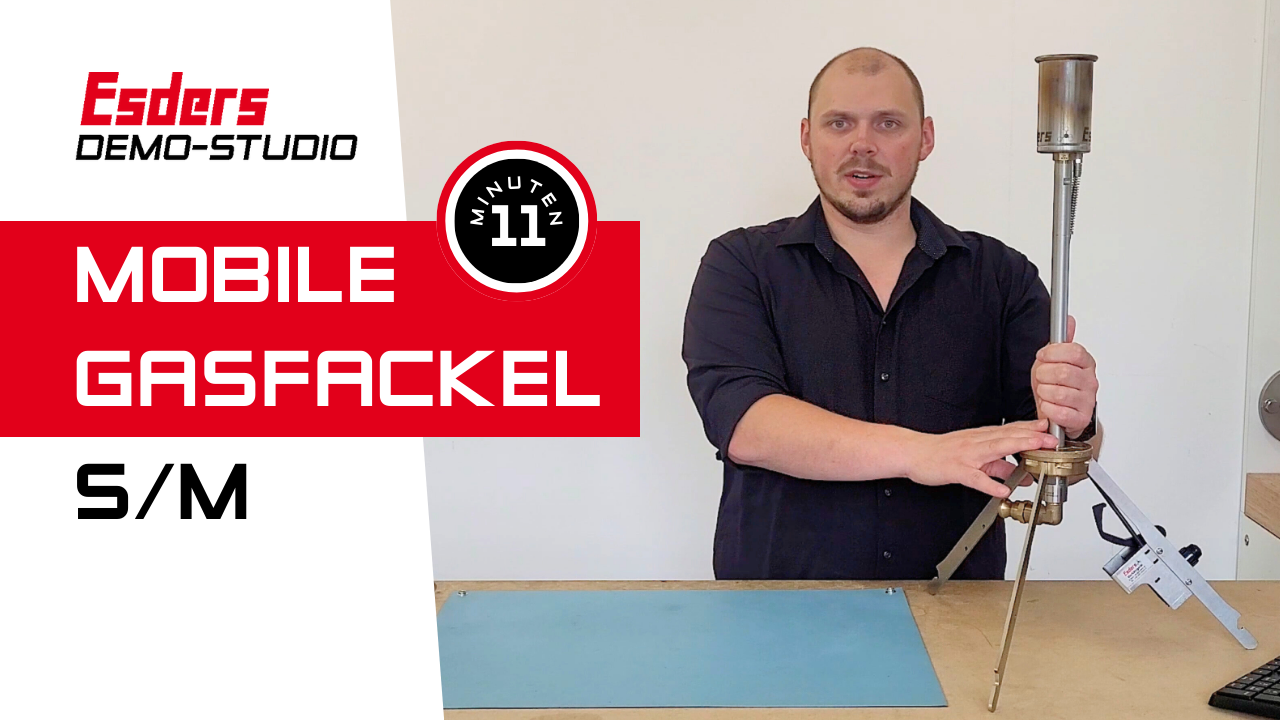
Mobile Gas Flare - simply explained in the video

Our short video product demonstrations will guide you through the key features, differences and benefits of gas flares. Find out how our products can help you make your work safer, more efficient and more user-friendly.

Fill in the form and watch our video now!

Gasfackel-Produktdemonstartion-Produktdemonstration

Download

Download - Annotated extract from the EU Methane Regulation

We have an annotated extract from the EU Methane Regulation, specifically relating to the oil and gas sector, for you to download. With our assessments and ideas regarding requirements for measurement, reporting and verification.

Download

Download - Full EU Methane Emission Regulation

We have the current and adopted EU Methane Regulation for you to download here.
REGULATION (EU) 2024/1787 OF THE EUROPEAN PARLIAMENT AND OF THE COUNCIL of 13 June 2024 on the reduction of methane emissions in the energy sector and amending Regulation (EU) 2019/942

Good to know

Our blogs provide you with a concise, clear and topic-specific overview of the latest regulations.

Blog

Our OLLI – multiple variants, one goal: measuring and testing for greater safety and efficiency

Whether gas, water or sewage networks: anyone responsible for critical infrastructure needs reliable and practical measurement technology. Our OLLI devices offer exactly that – in several specialised versions for different applications. Measuring and testing with our OLLIs: we present them in a practical and solution-oriented way. Safe shaft inspection and clearance measurement with OLLI When entering shafts and confined spaces – for example, in gas, water or sewage infrastructure – there is a potential risk to life due to toxic

Read More »
Blog

EU Methane Regulation: What network operators need to know now

From leak detection and repair to flaring and documentation: here are the most important aspects for complying with the law while increasing operational safety. Targeted instead of information overload – the most important regulations Not all grid sections are covered by the regulation. Of particular importance for grid operators are Articles 12, 14 and 32 of the EU Methane Emissions Regulation, as well as Annex I. Article 12 > Monitoring and reporting > from page 23 Article 14 > Leak

Read More »
Dispositivos de medición para realizar la notificación de emisiones de metano
Blog

Emissions Reporting & Monitoring: Everything you need to know

Table of Contents The aim of this short paper is to summarize what EU Emissions Reporting is and how it can be best reported. However, before we begin, please note that this article is based on available data up to 12.3.2025. Therefore, if you are reading this article at a much later time, it may be worth revisiting the regulation updates. The regulations for Leak Detection and Repair (LDAR) have been in place for a long time and are not

Read More »

ANALYSIS & REPORT

Create and send methane emission reports directly with our devices

With the implementation of the new EU Methane Regulation, companies are now responsible for setting up stricter systems for detecting, measuring and reporting methane emissions. This regulation not only obliges companies to identify and reduce emissions, but also to document and report them accurately and verifiably.

HUNTER NGP Menue

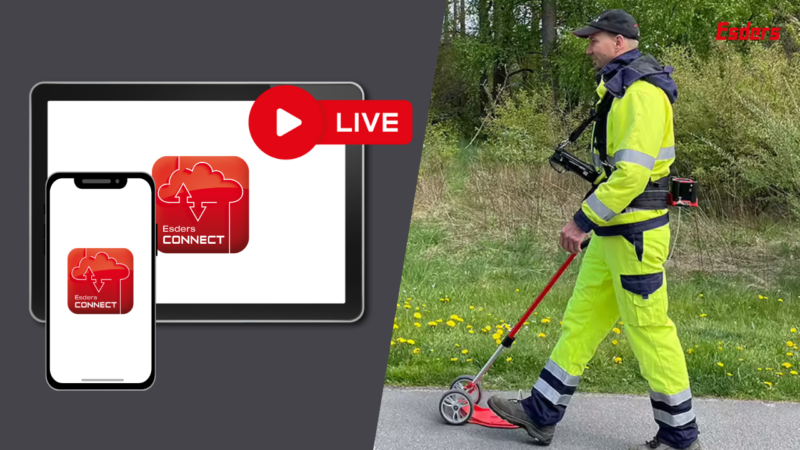
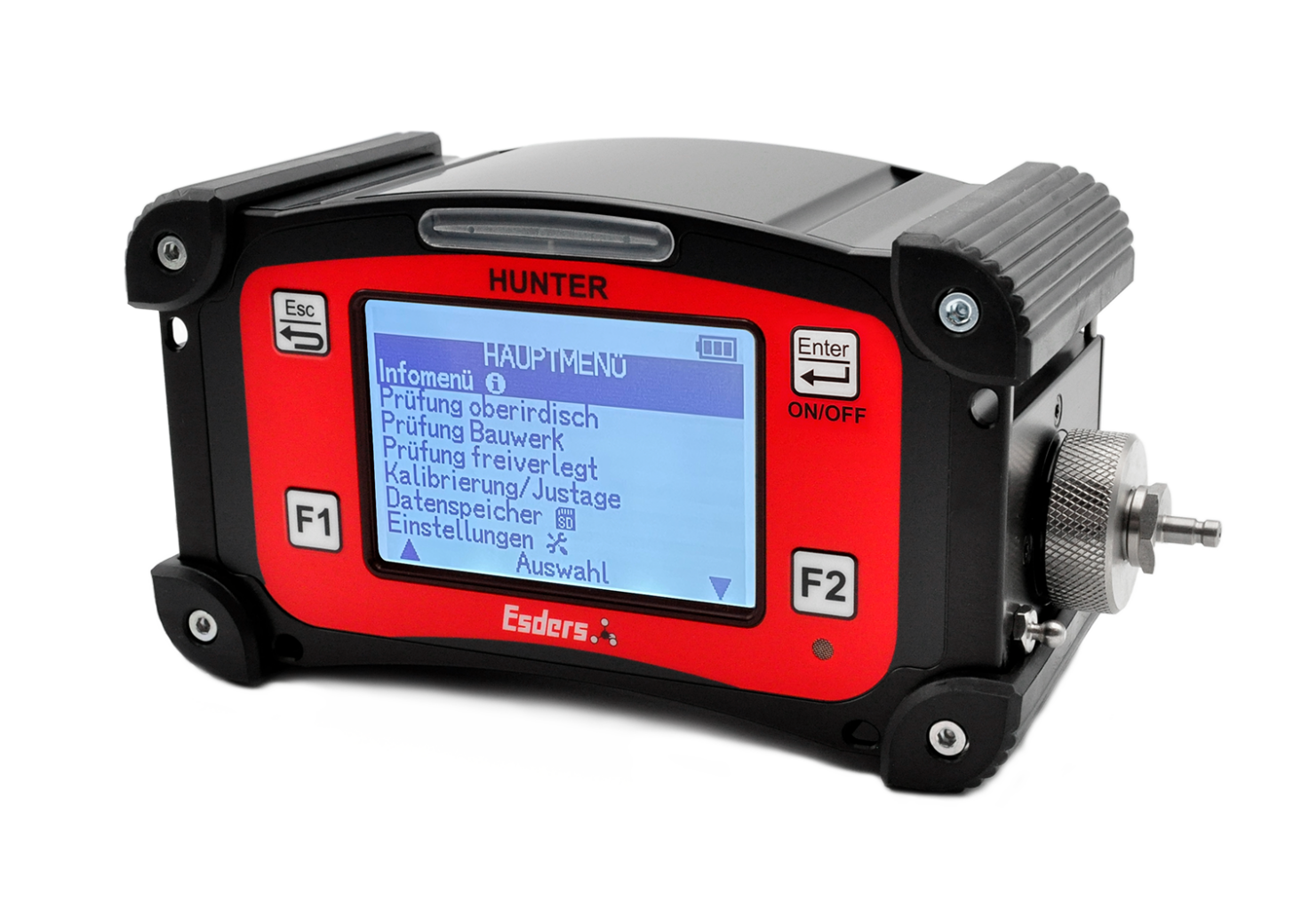
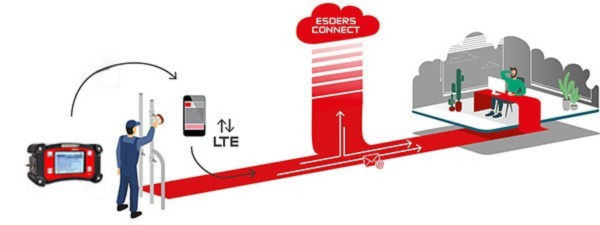
Our OLLI, HUNTER and Laser HUNTER devices have been developed to help companies fulfil the requirements of the industry. These systems are not only used for LDAR campaigns, but can also send emission reports instantly and securely thanks to their wireless data transmission and integration with Esders Connect.

Envío de informes de emisiones a través de Esders Connect
Request a personalised consultation with our technical experts now!

Discover Esders Connect, your solution for easy data management and smooth integration with first-class customer support. Send us your contact details to receive a personalised consultation and learn how Esders Connect can transform your business!

ONE MORE STEP TOWARDS THE FUTURE

Gas leak detection

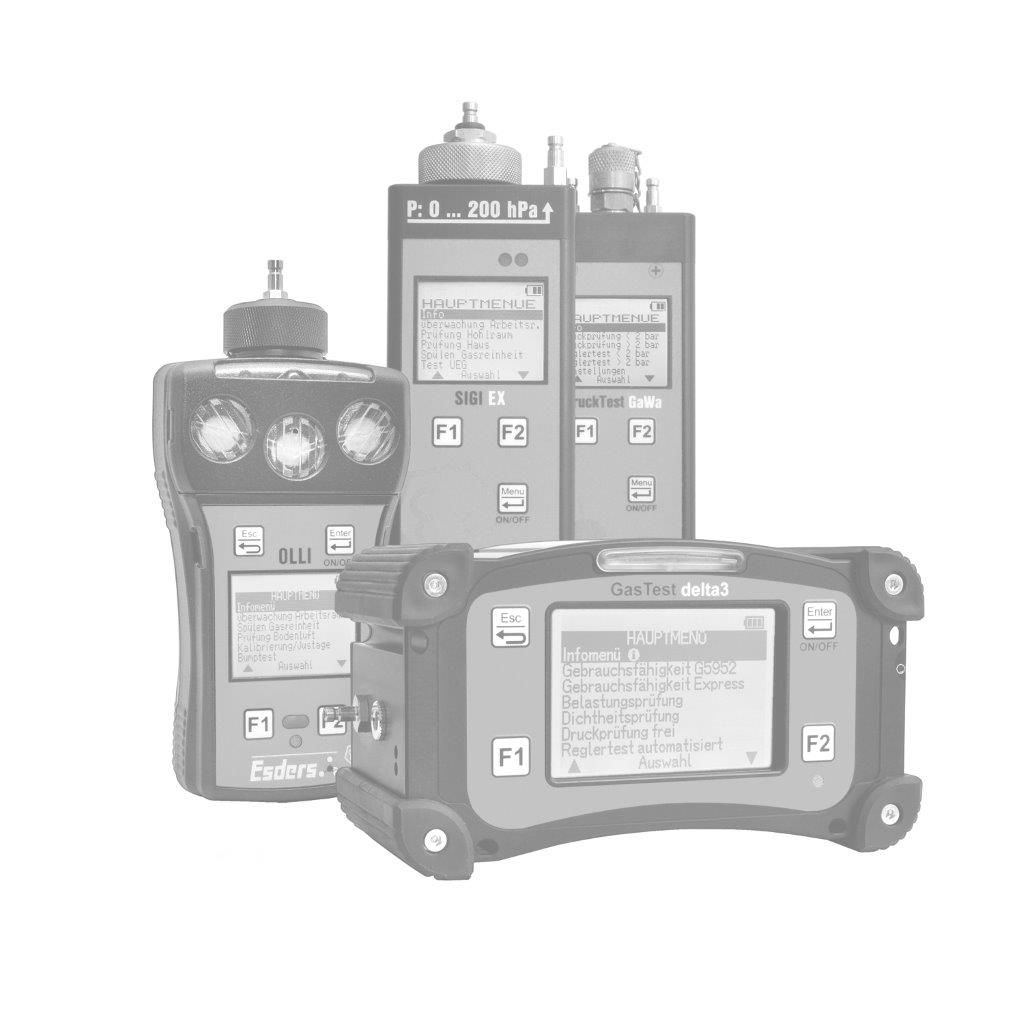
We are at home in the field of gas additive measurement technology and gas leak detection. Whether you need high-tech devices for pipeline inspections, indoor installations or gas pressure monitoring systems, we offer specialised devices for specific tasks as well as combination devices with a variety of sensors that can be adapted to almost any requirement and situation.

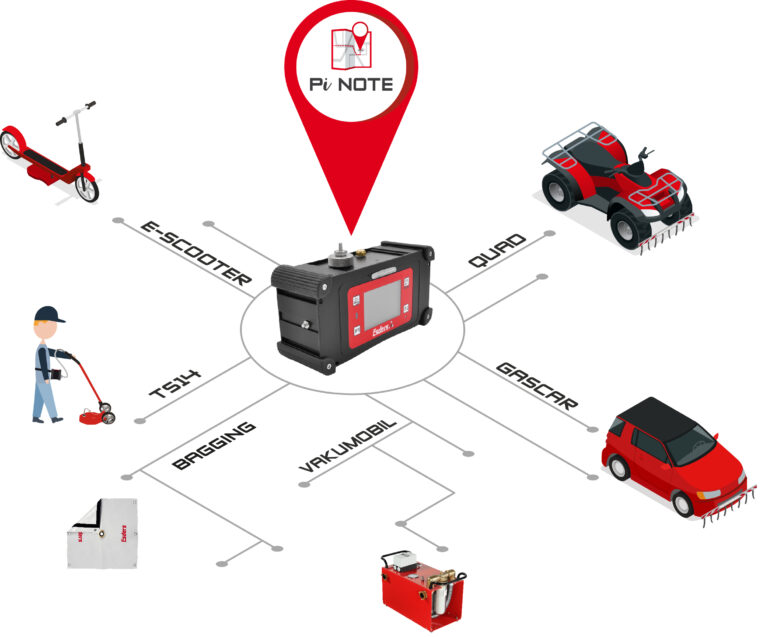
Einsatz Teppichsonde Pi NOTE

Pressure measurement

There are countless measuring devices and accessories for pressure testing, but not all of them fulfil the requirements for proper use in gas and water systems, transmission lines, distribution networks, connecting lines and domestic installations. In addition, the quality and accuracy of the devices and accessories you use will affect the duration and result of the pressure test. If your pressure tests need to comply with the UNE 60310, UNE 60311, UNE-EN 1610 or UNE EN 805 standards, Esders is your perfect partner.

Water leak detection

Detecting water leaks is crucial to maintaining the integrity of systems and preventing unnecessary losses. Finding and fixing leaks in time can prevent major damage and reduce water wastage. With our range of leak detection equipment and technologies, we guarantee the precision and efficiency required to identify even the smallest leaks in drinking water systems, distribution networks, irrigation systems, industrial plants and residential buildings. Our devices fulfil the strictest regulations and standards, guaranteeing reliable results and helping to conserve water resources.

We have a clear goal with the Green Deal!

Methaan emissie reductie

The EU Green Deal will put the Union on the path to climate neutrality by 2050 by comprehensively decarbonising all sectors of the economy. (Decarbonisation means reducing CO₂ emissions with the long-term goal of no longer emitting greenhouse gases from industrial activities).

Targets of the EU regulation to reduce methane emissions

With the Regulation of the European Parliament and of the Council on the reduction of methane emissions, the European Union has taken a major step forward and enshrined the goal of climate neutrality for the entire economy by 2050 in law. The binding target for 2030 is to reduce net greenhouse gas emissions by 55% by 2030 compared to 1990 levels.

keyboard_arrow_up