At Esders we are your technological partner for full compliance with the EU Methane Regulation. We have the latest technology approved and necessary to perform LDAR campaigns and reduce methane emissions with total accuracy and generate reports in a simple way to send to the competent authorities, an obligation of the new regulation.
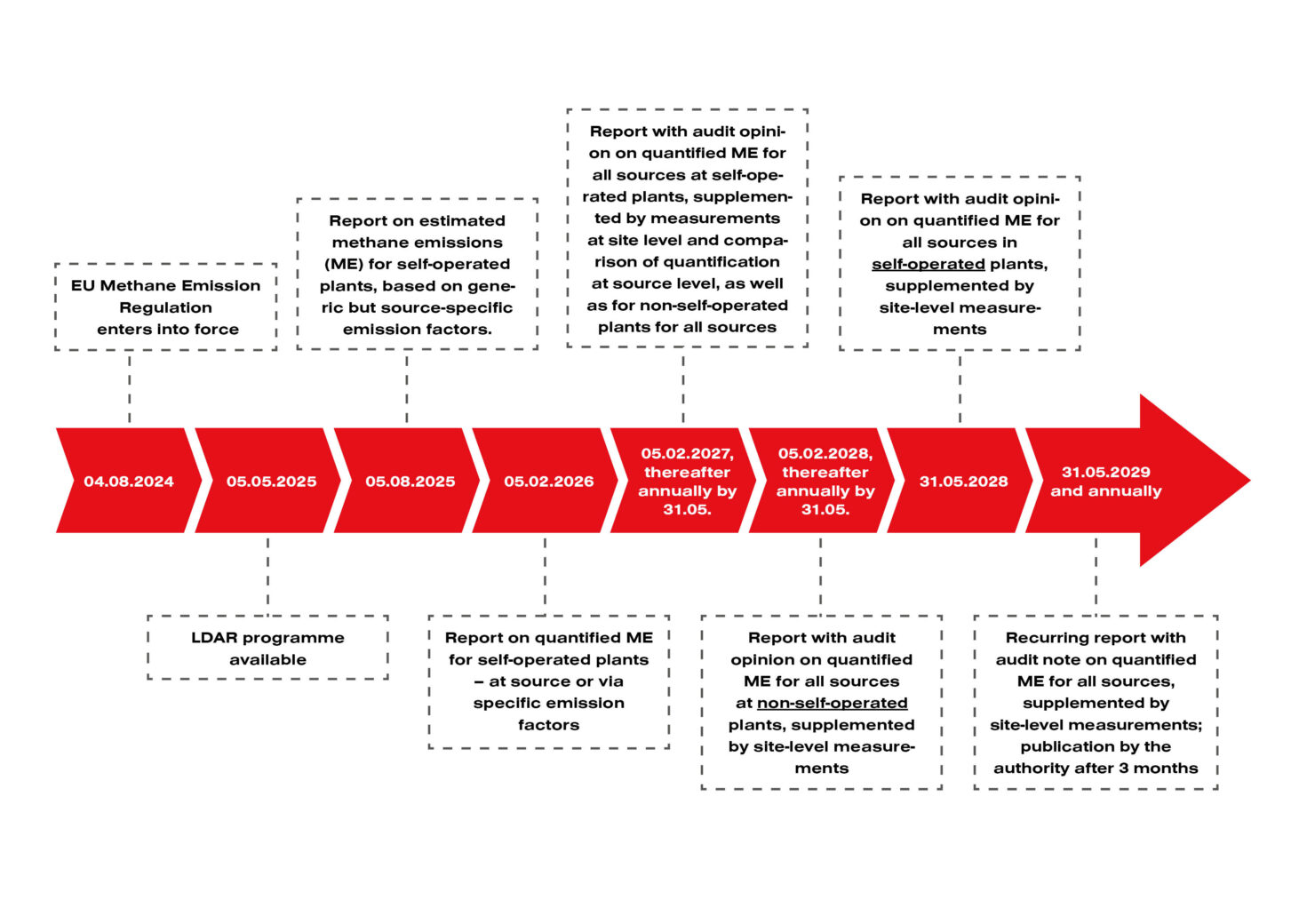
With Regulation (EU) 2024/1787, the European Union has created a framework to ensure the reduction of methane emissions in the energy sector. This framework includes regular inspections and penalties for companies that do not comply with the regulations. The fines can be quite high and show how seriously the EU is taking the fight against climate change and the protection of public health.
Through the Emissions Reports, which are part of Regulation (EU) 2024/1787, the EU Commission aims to measure the amount of emissions emitted at country/state level and compare them with 1990 historical data to ensure that the 55% reduction from 1990 levels is monitored.
To compile this data, the EU Commission will ask Member States to submit their emissions figures. As part of this report, each Member State will also be required to collect and report data on emissions released by gas companies and network operators.
Annotated extract from the EU Methane Regulation
We have commented on an extract of the EU Methane Regulation related to the oil and gas sector with our ideas, assessments and knowledge. Download it and learn more about the measurement, reporting and verification requirements.
The EU Commission will require each Member State to submit its emission reports in the weight/unit time format at national level. In turn, EU Member States will require all stakeholders to submit their emission reports at two different levels: at source level and at site level.
Methane emission measurement using the bagging method (DVGW G 425-3)
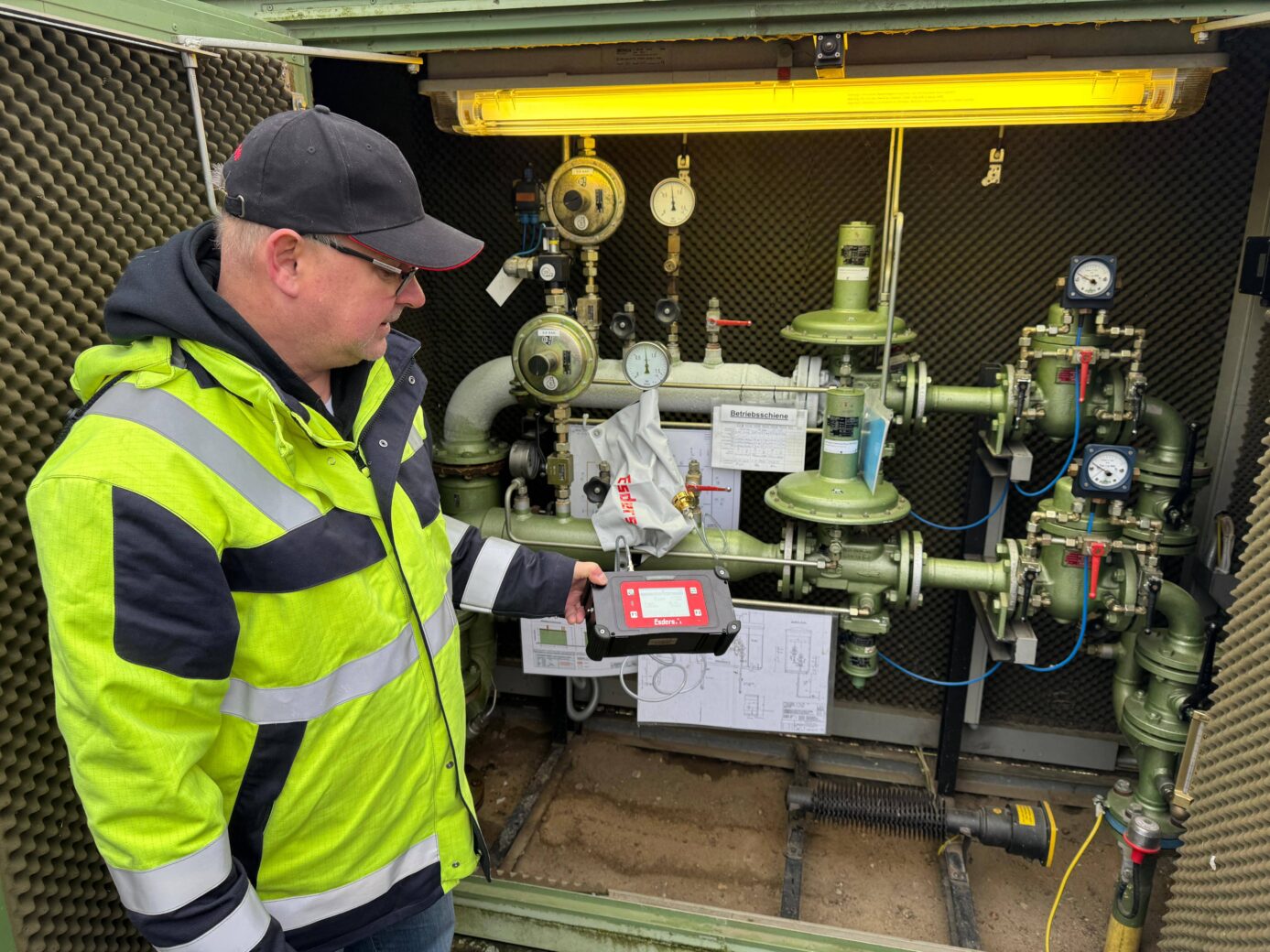
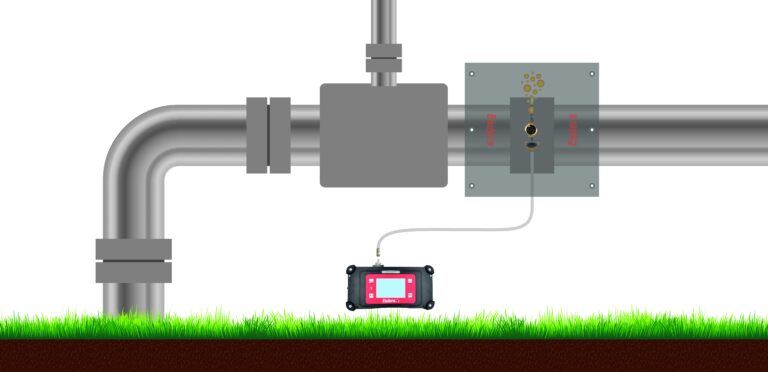
The bagging method, combined with Laser HUNTER, allows for accurate measurement of methane emissions from above-ground gas installations, following the guidelines set by DVGW G 425-3. In this process, the leaking part is placed inside a sealed bag, and a measuring system extracts the emitted gas, making it possible to reliably assess the emission rate.
This comprehensive approach merges leak detection, emission measurement, and digital documentation into a single workflow, which is beneficial for LDAR applications, emissions reporting, and ensuring compliance with the European Methane Regulation.
Underground gas leak detection with Laser HUNTER and its Modular System
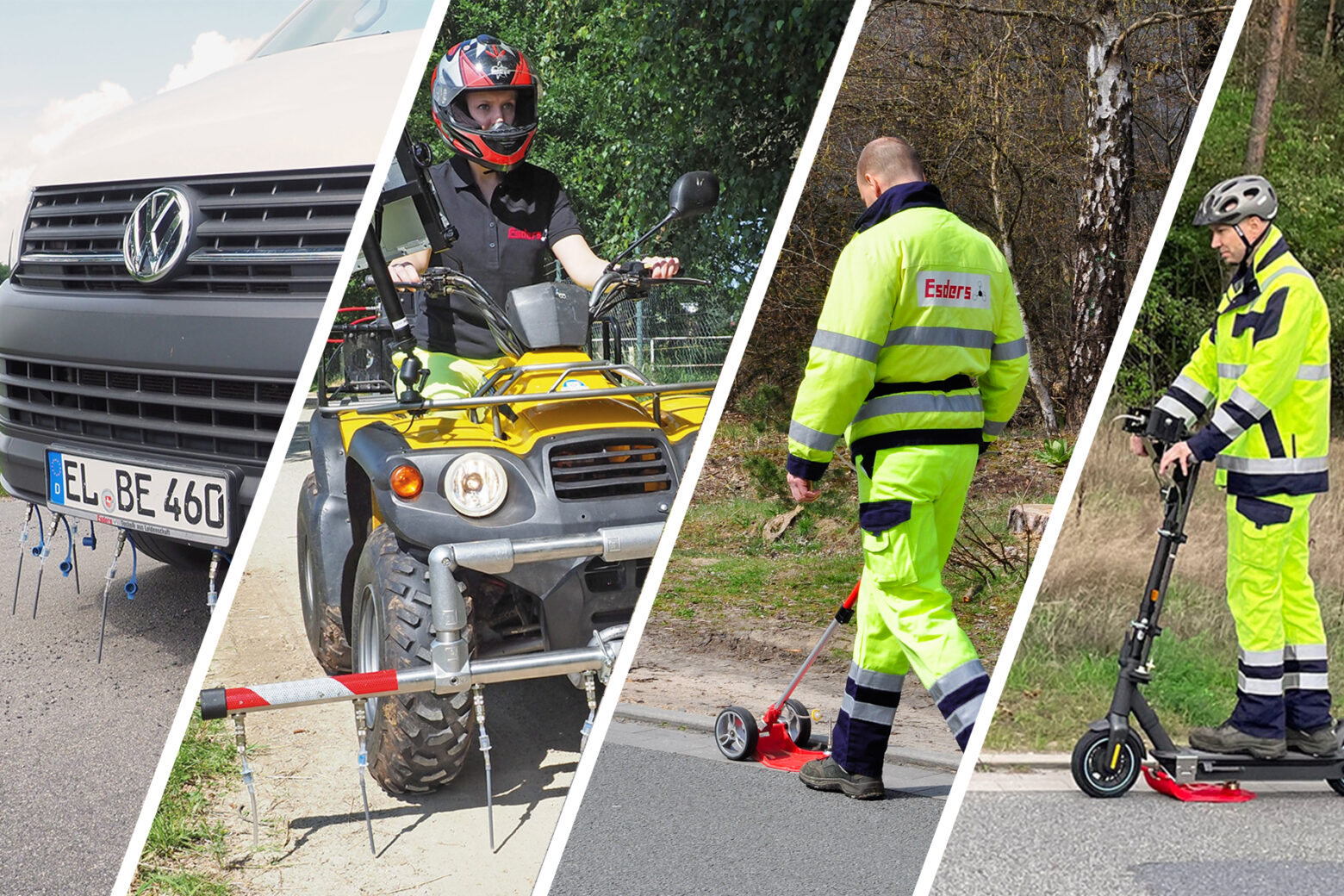
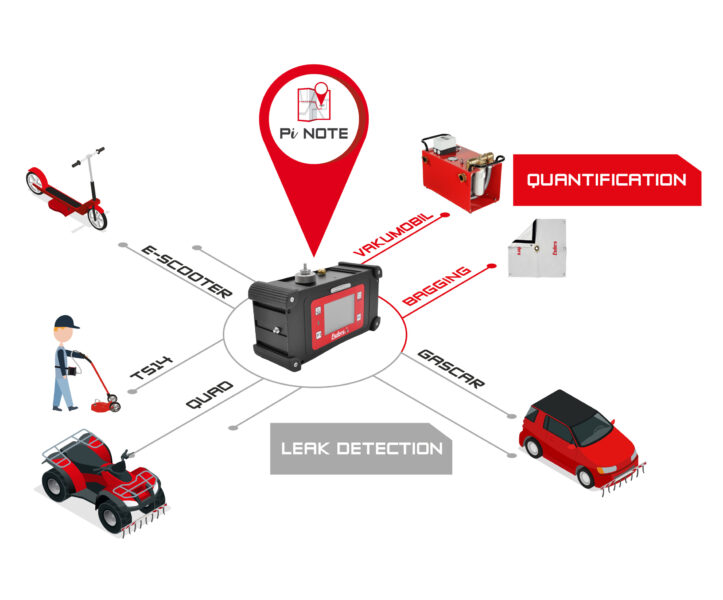
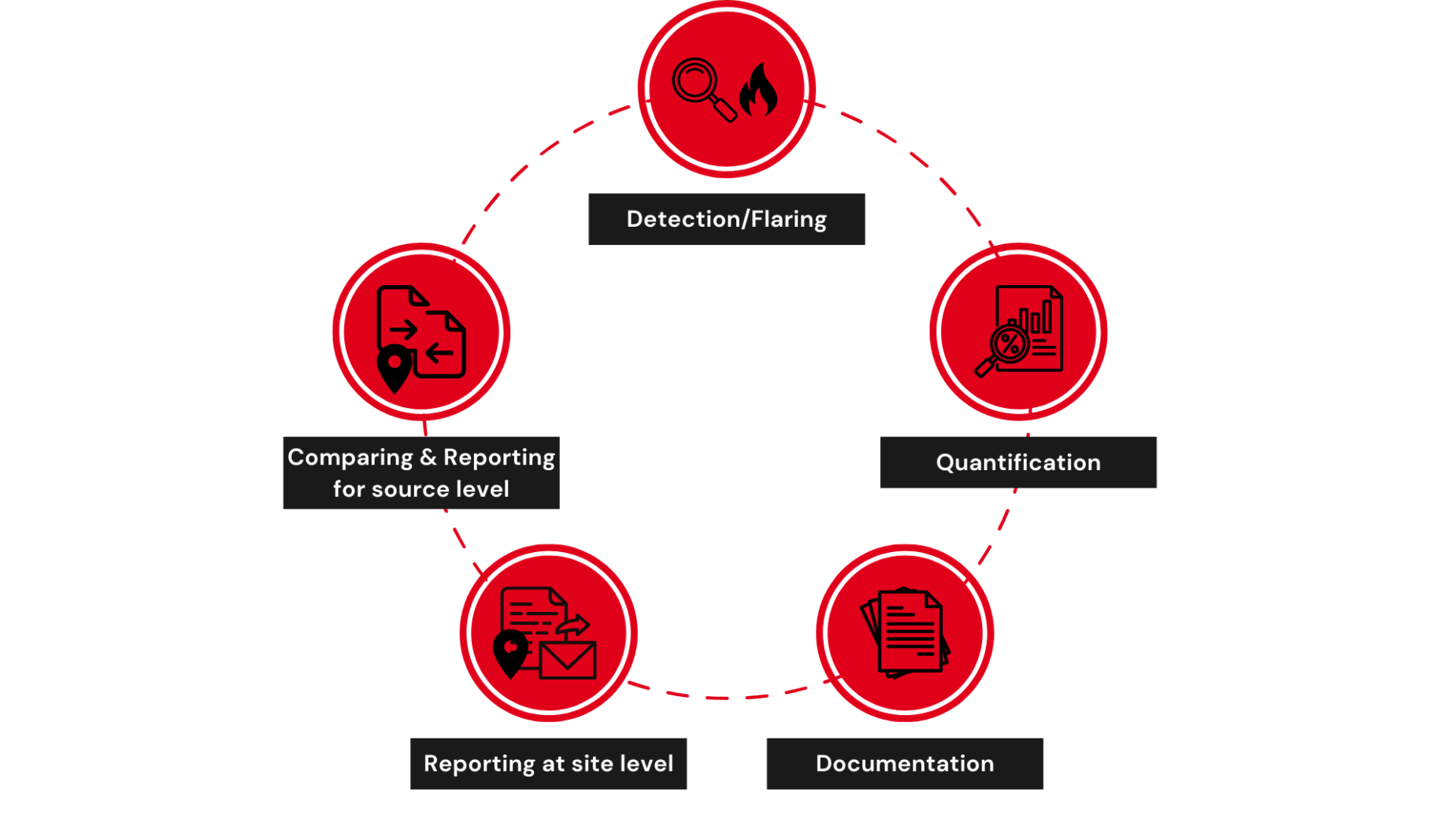
Laser HUNTER provides highly accurate and fast-response leak detection and emissions monitoring thanks to its laser technology. In addition, Laser HUNTER is the core of a modular system. This system allows Laser HUNTER to be mounted on vehicles for mobile leak detection. Since EU regulations require vehicle-based monitoring, this modular approach enables simultaneous site-level and source-level monitoring, transforming a linear sequence into a closed-loop cycle.
Check out the Laser HUNTER brochure to discover cutting-edge solutions for leak detection, methane quantification, and emissions monitoring tailored for gas networks and LDAR applications.
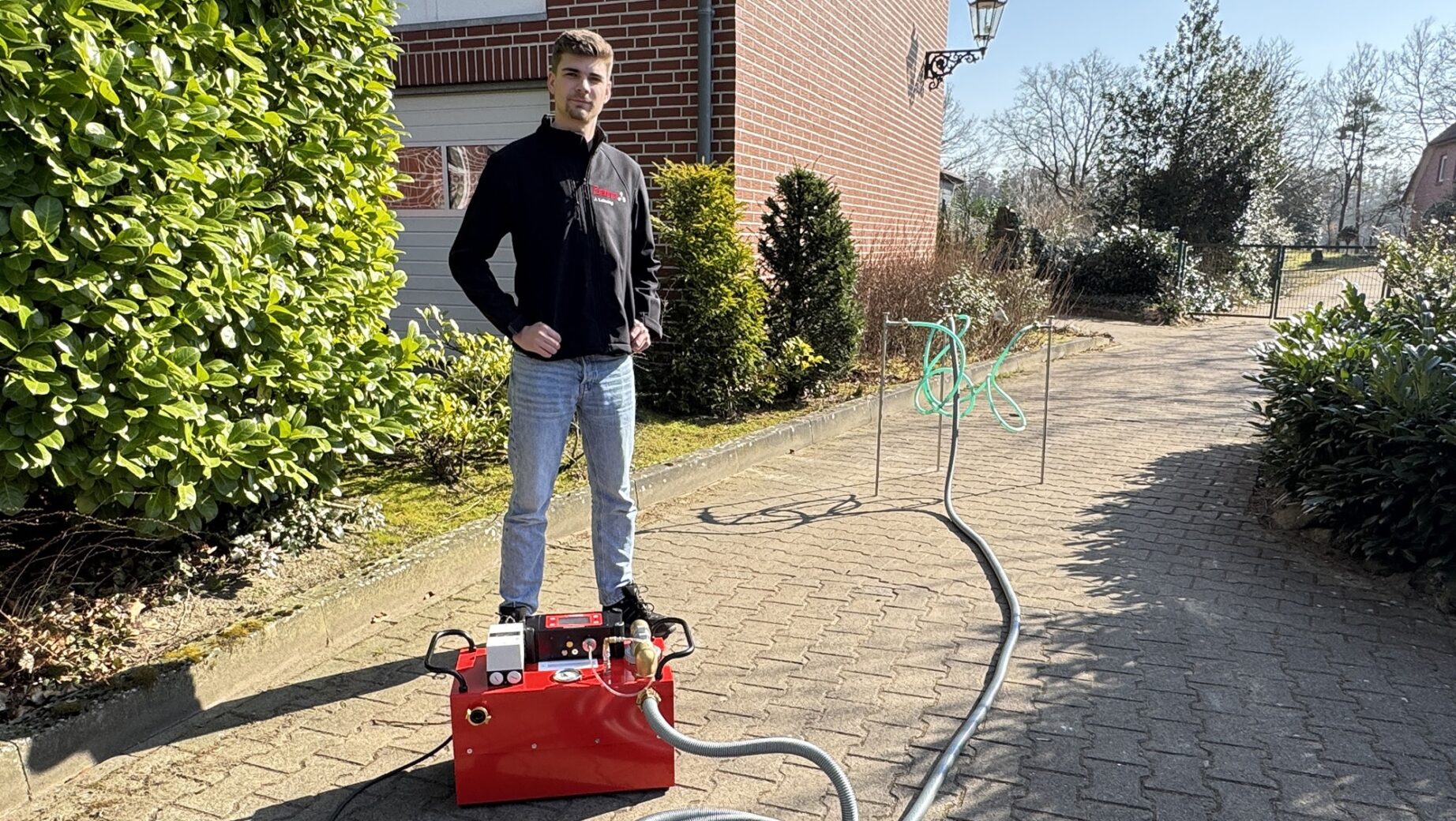
Quantification of underground methane emissions with Vakumobil & Laser HUNTER
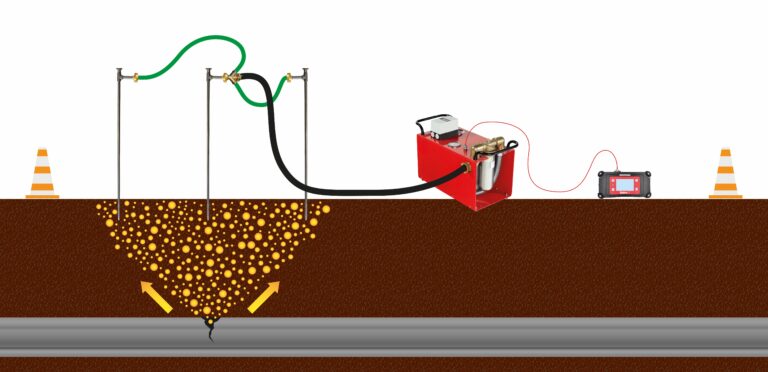
Reliable quantification of emissions from underground pipelines is quite a challenge. Leaks can lead to gas buildup beneath the surface, which can skew the actual emission readings. That’s where Vakumobil, paired with Laser HUNTER, really shines.
Vakumobil effectively clears out the gas cloud in the subsurface before any measurements are taken, enabling Laser HUNTER to accurately assess the true emission rate. This approach helps avoid inflated values and guarantees trustworthy data for LDAR applications, emission quantification, and reporting in line with the European Methane Regulation.
By integrating these two solutions, network operators gain access to more precise, comparable, and readily usable results for emissions documentation and verification.
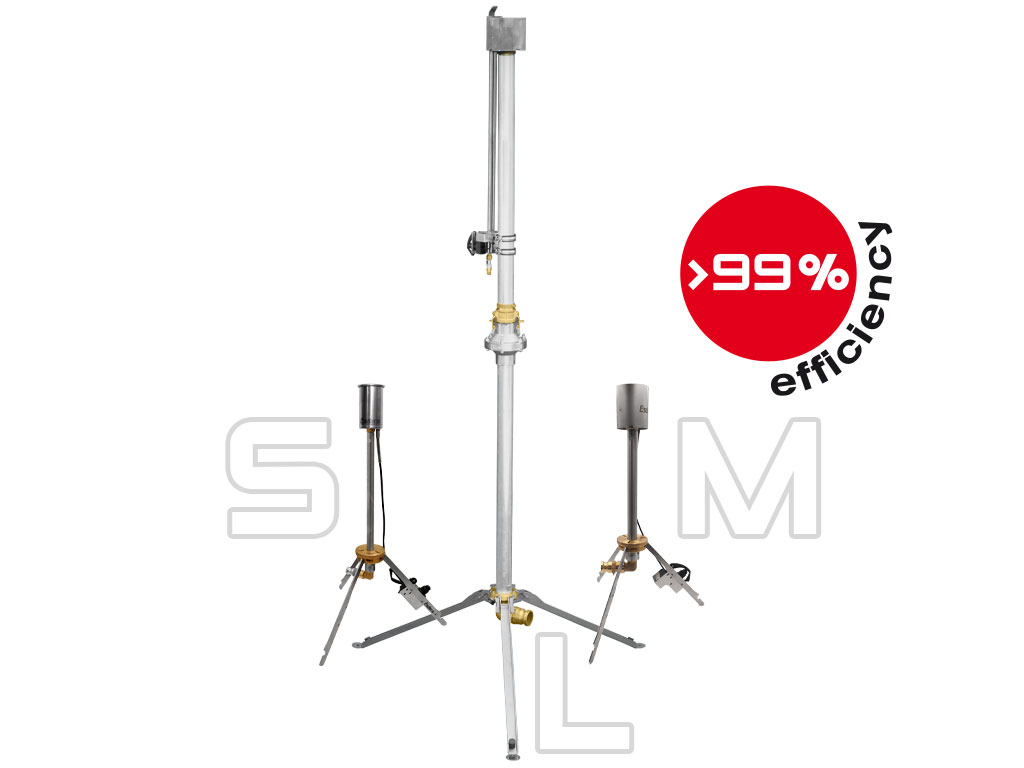
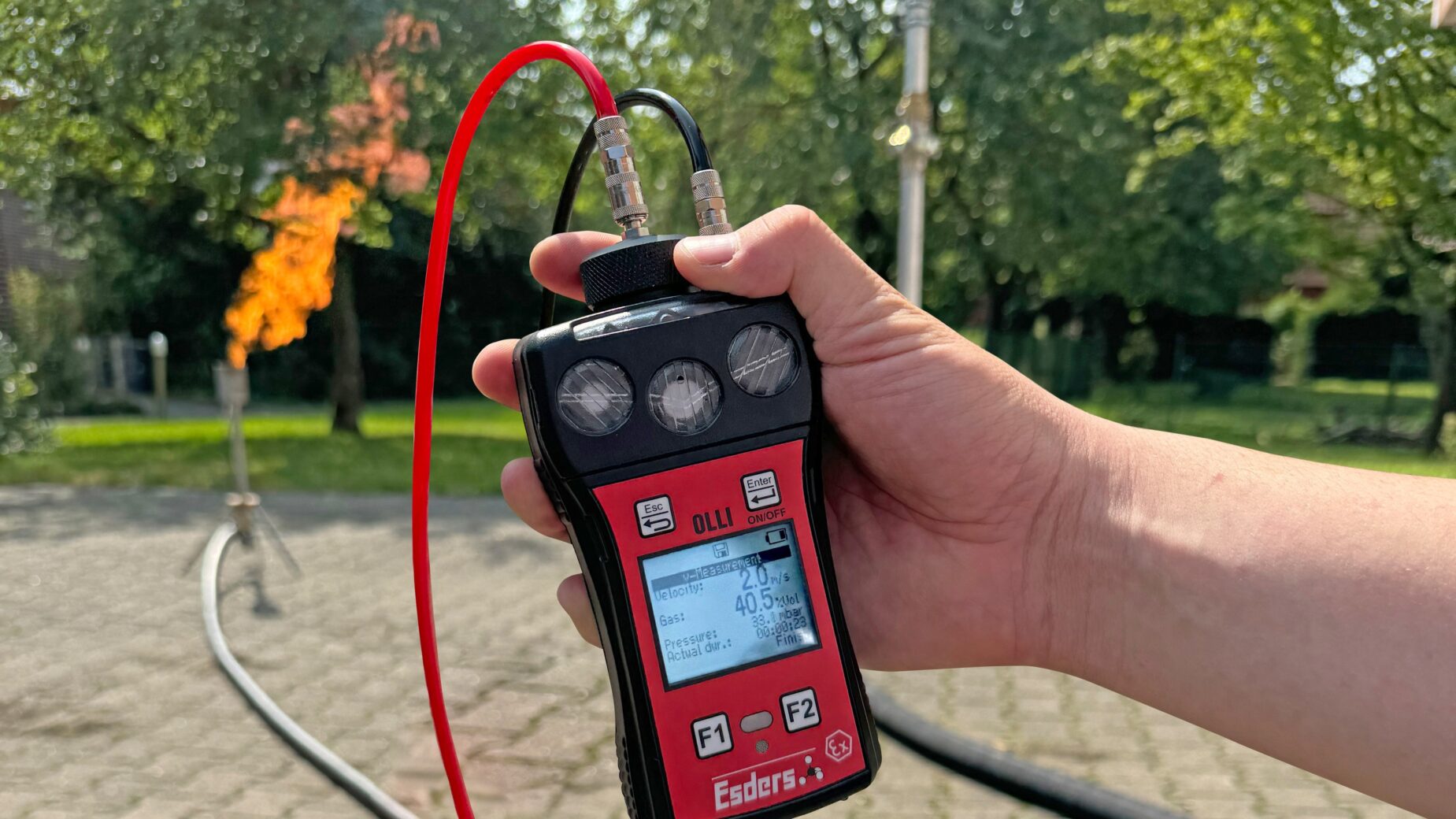
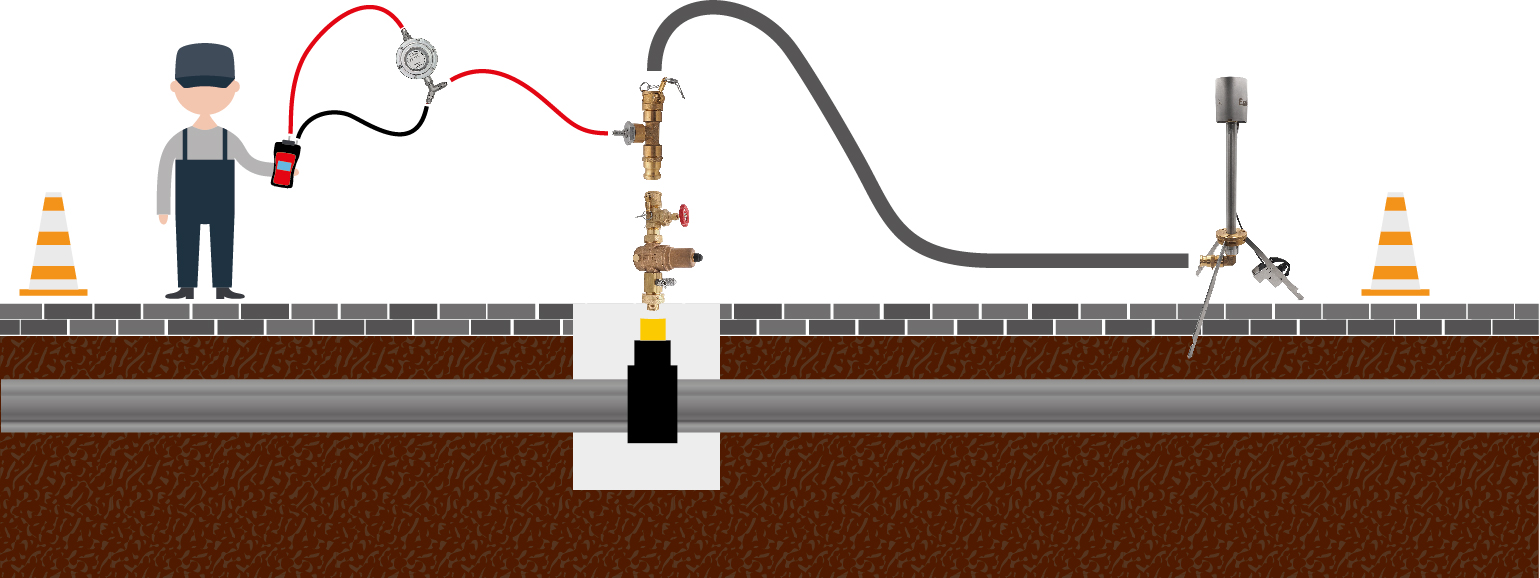
Esders Mobile Gas Flares are designed to directly meet the requirements of EU Regulation 2024, which prohibits venting and only allows flaring under strict conditions: 99% hydrocarbon destruction efficiency, automatic ignition and the ability to report flared gas volumes. Esders offers three models – S, M and L – all of which meet these requirements and are equipped with an output connection for integration with OLLI to report emissions.
Our mobile gas flares, available in sizes S, M and L, are certified by the DBI and thus guarantee a separation efficiency of 99%, ensuring compliance with the EU Methane Regulation.
Download our asset on flaring methane
Are you interested in reducing methane emissions? Then you should definitely download this asset on how flaring methane reduces emissions. This asset explains how the Mobile Gas Flare is the best alternative to blowing off and releasing.
By downloading this asset, you will gain valuable knowledge about the flaring times.
Accurate flared gas measurement & digital reporting with OLLI and Mobile Gas Flares
OLLIand our Mobile Gas Flares work together to give you accurate measurements and digital records of flared gas volumes, all while meeting the latest regulatory standards. With its built-in pressure sensor, OLLI can precisely calculate the amount of methane or propane that gets burned during flaring operations, ensuring you have trustworthy data for emissions reporting and verification.
Manage and document your emissions reports with Esders Connect
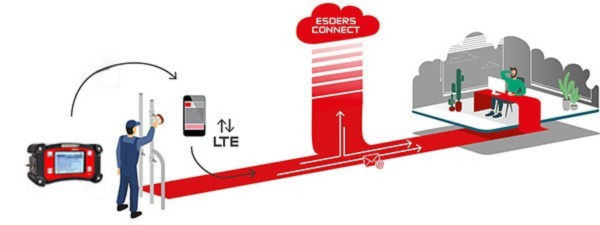
Our OLLI and Laser HUNTER devices are designed to help companies meet the demands of the industry. As well as being used for LDAR campaigns, these systems have the ability, thanks to their wireless data transfer and integration with Esders Connect, to send emission reports instantly and securely.
#1 It records date, time, GPS coordinates, operator signature and more, ensuring traceability of measurements and regulatory compliance.
#2 Through the data collected, it automatically generates official reports for the competent authorities.
#3 It does not require integration with your current system (GIS, etc.), generates and sends PDF reports ready to be stored in any platform.
Measurements and reports at source and site level
Using the Esders solutions described above, your team can now complete reports at source level in a fully automated sequence. But what happens at site level? Regulations require aerial or vehicle detection for site-level reporting, and the results must match the sum of the source-level measurements, adding new levels of complexity.
The solution? Let’s close the loop with Laser HUNTER, the core of a modular system that allows the device to be mounted on vehicles for mobile leak detection. Responding to the EU’s requirement for in-vehicle monitoring, this modular approach allows you to simultaneously perform both site-level and source-level monitoring, transforming a linear sequence into a closed-loop cycle.